
South Africa vs Tanzania: Which African Journey Is Right for You?
Written by
Ker & Downey® Africa
Choosing between a South Africa safari and a Tanzania safari is less about which country has better wildlife and more about the journey you want beyond the game drives.
Both deliver rewarding Big Five viewing, exceptional guiding and refined accommodation, but their pace, landscapes and wider travel possibilities differ.
South Africa is ideal for first-time safari travelers, families, and guests who want to combine wildlife with Cape Town, the Winelands, coastal scenery, or a malaria-free reserve. Tanzania better suits travelers seeking a safari-centered journey through expansive ecosystems, including the Serengeti, Ngorongoro Crater, and Tarangire, with the possibility of witnessing the Great Migration.
Our specialists often recommend South Africa when accessibility, itinerary variety, and private-lodge flexibility matter most. Tanzania is usually the stronger choice when scale, seasonal wildlife movement, and a more immersive multi-region safari are the priorities. The comparison below explains which destination best matches your interests, available time, and preferred style of travel.
South Africa vs Tanzania Safari at a Glance
Comparison | South Africa | Tanzania |
Best for | First safaris, families, multigenerational groups and varied vacations | Wildlife-focused journeys, migration enthusiasts and expansive safari circuits |
Overall travel style | Safari combined with city, wine, coast, rail or cultural experiences | Multi-region safari journey centered on wildlife and landscapes |
Wildlife focus | Classic Big Five viewing, strong leopard and rhino opportunities in selected reserves | Great Migration, predators, large herds and varied East African ecosystems |
Signature experience | Private-reserve game drives in Sabi Sand or Greater Kruger | Following the Great Migration across the Serengeti ecosystem |
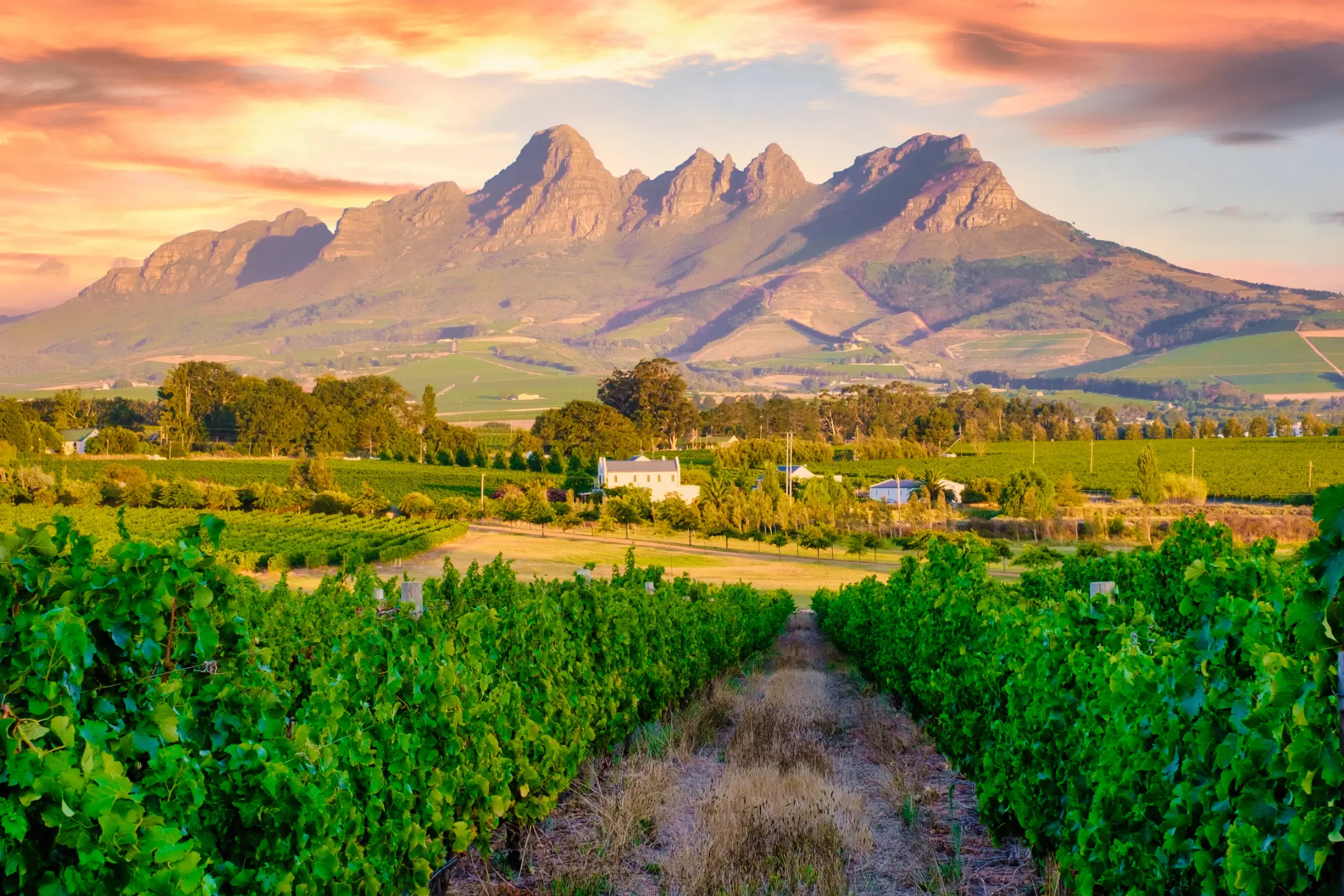
Landscape | Bushveld, savannah, mountains, vineyards, coastline and desert | Open plains, volcanic highlands, crater landscapes, woodland and Indian Ocean coast |
Luxury style | Private villas, contemporary lodges, spas and exclusive-use residences | Tented camps, mobile camps, crater-rim lodges and remote safari properties |
Accessibility | Extensive road and domestic flight network | Longer overland journeys and light-aircraft connections between safari regions |
Families | Broadest range, including malaria-free reserves and private villas | Best for families comfortable with longer drives and a safari-centered itinerary |
Honeymoons | Safari, Cape Town, Winelands and Indian Ocean combinations | Serengeti, Ngorongoro and Zanzibar or Seychelles combinations |
Typical safari length | Four to seven safari nights, plus time for Cape Town or the coast | Seven to ten safari nights across two or three regions |
Best-known season | May to October for many northern safari areas | June to October for dry-season viewing; migration experiences vary by location and month |
Easy to combine with | Botswana, Victoria Falls, Namibia, Mozambique and Mauritius | Zanzibar, Seychelles, Kenya and Rwanda |
Overall pace | Flexible and relatively easy to customize | Slower, more immersive and often more logistically involved |
South Africa’s principal advantage is variety: a single journey can connect a private Big Five reserve with Cape Town, the Winelands, and the coast. Tanzania’s advantage is safari depth, with the Serengeti, Ngorongoro, Tarangire, and other regions creating a journey built around contrasting wildlife ecosystems.
Key Differences Between South Africa and Tanzania Safaris
Overall Travel Style
South Africa offers a more varied vacation.
A typical itinerary may begin in Cape Town, continue through the Cape Winelands, and finish with several nights in Sabi Sand or another private reserve. Wildlife may be the main reason for traveling, but food, design, history, art, and coastal scenery can carry equal importance.
This makes South Africa particularly effective for couples or families whose interests are not identical. One traveler may prioritize leopards and photography, while another values restaurants, wine estates, wellness or time near the ocean.
Tanzania is generally more safari-focused.
Once travelers leave Arusha, the journey often moves through several wildlife regions, with days shaped by game drives, changing landscapes and transfers between parks.
Cultural visits, hot-air ballooning and beach extensions add variety, but the safari remains the central narrative.
Choose South Africa when you want a broader vacation with an exceptional safari component. Choose Tanzania when you want wildlife, wilderness and the movement between ecosystems to define most of the journey.
Safari Pace
South Africa can provide a more settled safari.
Travelers may remain at one private reserve for four or five nights, using the same lodge and guide team throughout their stay. This reduces packing, transfers and interruptions while allowing guests to become familiar with the reserve.
Morning and afternoon game drives create a clear daily rhythm, with time between activities for dining, wellness or relaxing at the lodge.
Tanzania’s northern circuit generally involves more movement.
An itinerary might connect Tarangire, Ngorongoro and different parts of the Serengeti. Road transfers reveal the changing terrain and provide context, but they also mean spending more time traveling between regions.
Light-aircraft transfers can reduce certain drives, although they introduce luggage restrictions and fixed operational schedules.
We often recommend South Africa to travelers who value simplicity and staying longer in one place. Tanzania rewards those willing to move because each region contributes a distinct part of the overall safari.
Accessibility and Logistics
South Africa usually provides greater logistical flexibility.
Travelers can use scheduled domestic flights, charter flights, or private road transfers, depending on the reserve.
Several safari regions can also be combined with Cape Town without creating an entirely safari-based itinerary.
This flexibility is useful for shorter vacations, multigenerational groups, and travelers who prefer to avoid frequent light-aircraft journeys.
Tanzania requires more deliberate route planning.
The northern circuit is commonly accessed via Arusha, with overland or fly-in connections between parks. Longer drives can become part of the experience, particularly when traveling through the Great Rift Valley or Ngorongoro highlands, but the itinerary should not attempt to include too many regions in too little time.
Our Tanzania Northern Circuit Safari demonstrates how Tarangire, Ngorongoro, and the Serengeti can be connected within a structured eight-day journey.
Choose South Africa when ease and transfer flexibility are priorities. Choose Tanzania when you are comfortable, allowing more time for the journey between ecosystems.
Exclusivity and Privacy
South Africa and Tanzania create exclusivity in different ways.
South Africa’s private reserves offer controlled access, experienced guide-and-tracker teams, private vehicles, and exclusive-use villas. Guests may stay within a relatively developed lodge environment while still experiencing highly personalized wildlife viewing.
Properties such as Cheetah Plains exemplify the country’s private-villa approach, where dedicated staff and flexible schedules allow the safari to be tailored to guests.
Tanzania’s exclusivity often comes from location.
A tented camp may be located in a remote section of the Serengeti, far from permanent settlements and larger lodges.
Mobile camps can also move seasonally to maintain access to different stages of the migration.
However, well-known wildlife areas can attract several vehicles around significant sightings, particularly during peak migration periods. A Tanzania itinerary should therefore consider the specific region and camp location rather than assuming the entire country will feel remote.
Choose South Africa when you value private accommodation, flexible schedules, and polished lodge facilities.
Choose Tanzania when distance, tented living, and an expansive sense of wilderness matter more.
Overall Value
South Africa generally offers more ways to manage the total cost of a luxury journey.
Its extensive accommodation network includes private villas, intimate lodges, boutique hotels, and city properties across different luxury categories. Travelers can balance a premium safari stay with alternative accommodation styles in Cape Town or the Winelands.
Road-transfer options may also reduce the need for repeated charter flights.
Tanzania’s park fees, remote camp logistics, and light-aircraft transfers can make a multi-region journey more expensive. Migration-positioned camps and highly exclusive Serengeti properties may command significant seasonal rates.
The value lies in access to vast ecosystems and the ability to combine several internationally recognized wildlife areas within one safari.
This does not mean every South African itinerary costs less. Exclusive-use villas, private aircraft and top-tier lodges can place South Africa at the highest end of the market.
South Africa generally provides more budget flexibility. Tanzania often requires a larger investment to maintain comfort while covering several remote regions.
Our specialists often find that South Africa offers greater flexibility when balancing accommodation styles across a longer itinerary, while Tanzania rewards travelers who prioritize spending more of their budget within the safari itself.
Wildlife and Signature Safari Experiences
South Africa — Classic Big Five Viewing
South Africa is one of Africa’s most reliable choices for a classic Big Five safari.
Kruger National Park and its surrounding private reserves support lion, leopard, elephant, rhino and buffalo, alongside cheetah, African wild dogs, giraffes, zebras, hippos and varied antelope species.
SANParks identifies Kruger as its flagship park and confirms that all five of the traditional Big Five occur there.
Private reserves such as Sabi Sand and Timbavati add experienced tracking teams and greater flexibility around important sightings.
South Africa is particularly strong for travelers who want close, vehicle-based wildlife encounters within a structured safari day. The relatively intimate scale of certain reserves also allows guides to build an understanding of individual animals and territories over several drives.
One thing first-time guests may not expect is that the experience is not simply about finding five species. The quality of a South African safari often comes from how the guide interprets tracks, behavior, habitats and the relationships between animals.
Choose South Africa when consistent Big Five viewing and detailed guiding are more important than following a large-scale seasonal migration.
Tanzania — The Great Migration and Expansive Ecosystems
Tanzania’s defining wildlife experience is scale.
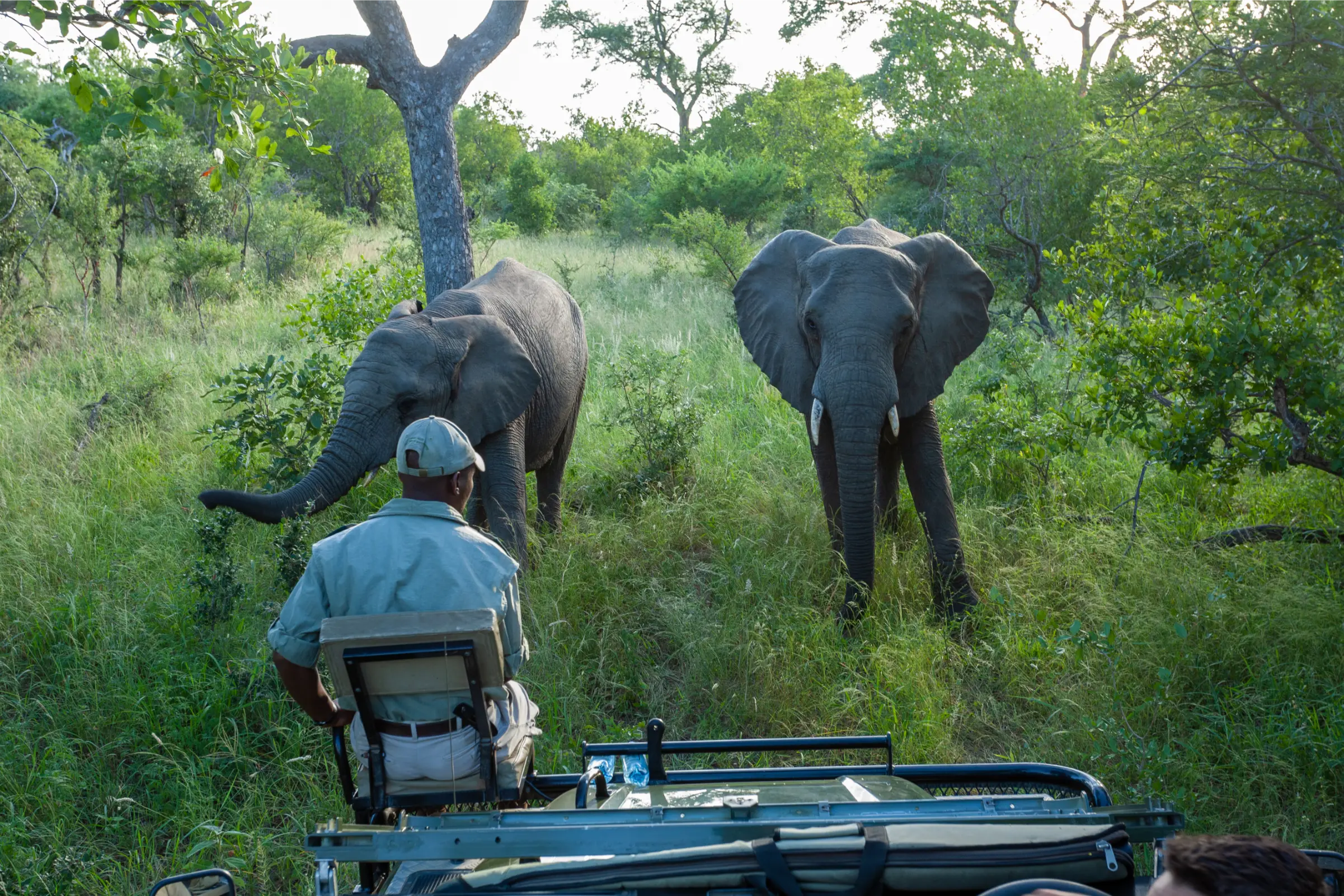
The Serengeti protects approximately 1.5 million hectares of savannah and supports the annual migration of large herds of wildebeest, zebras, and gazelles, which are followed by predators.
UNESCO describes the migration as one of the world’s most impressive natural events.
The experience varies by location and season. Our specialists select camps based on where the Great Migration is expected to be during your travel dates, rather than assuming one Serengeti camp is suitable year-round.
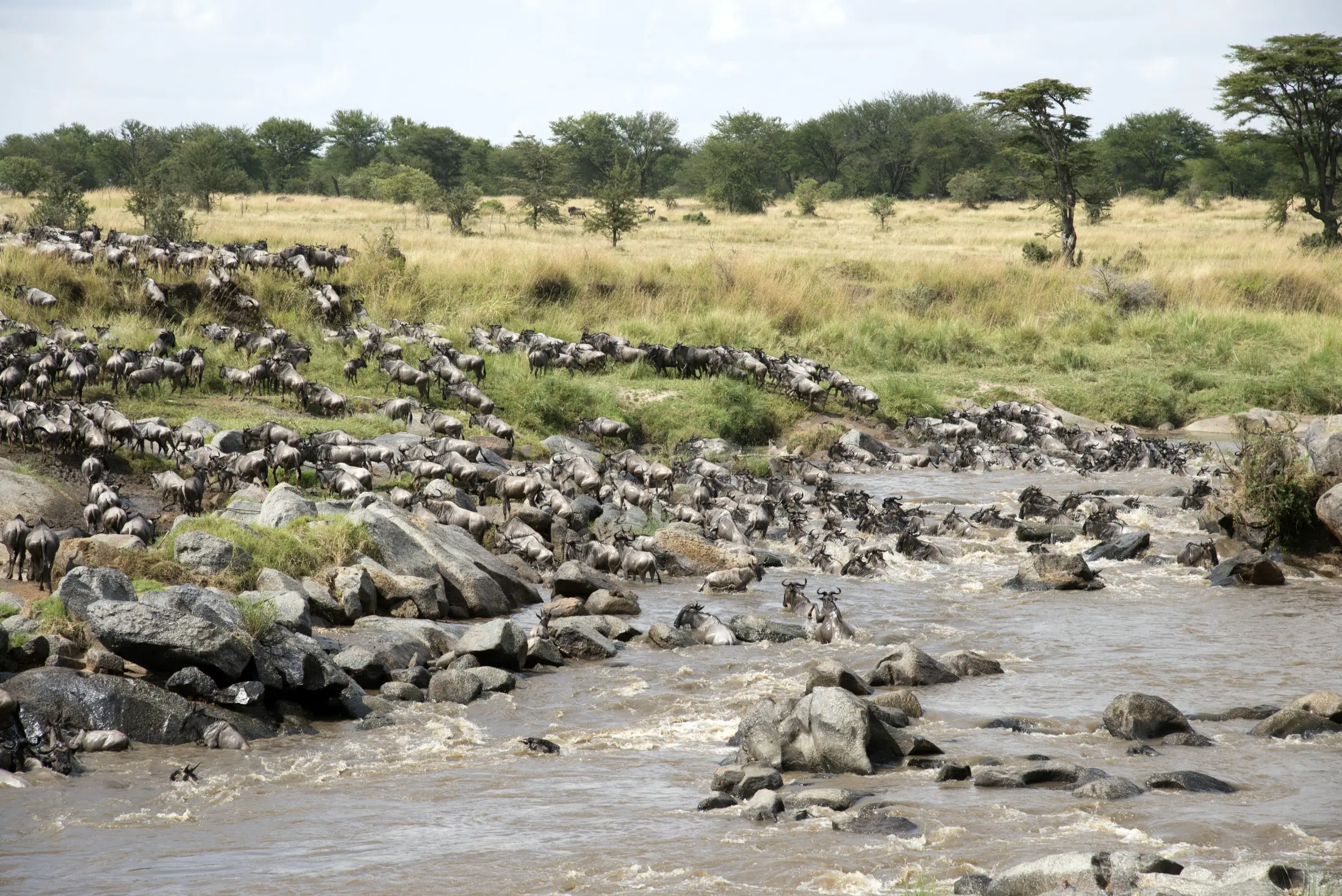
Travelers may encounter calving on the southern plains, herds moving through the central or western Serengeti, or river-crossing activity in the north. The migration is a continuous ecological cycle rather than an event occurring in one fixed location.
Tanzania also offers rewarding wildlife outside the migration.
Ngorongoro provides concentrated game viewing within a dramatic volcanic setting. Tarangire is known for elephant herds, ancient baobabs, and dry-season wildlife gathering near the river.
Choose Tanzania when seasonal wildlife movement, open landscapes, and the relationship between several connected ecosystems are central to your safari expectations.
Best Safari Regions in South Africa
Sabi Sand and Greater Kruger
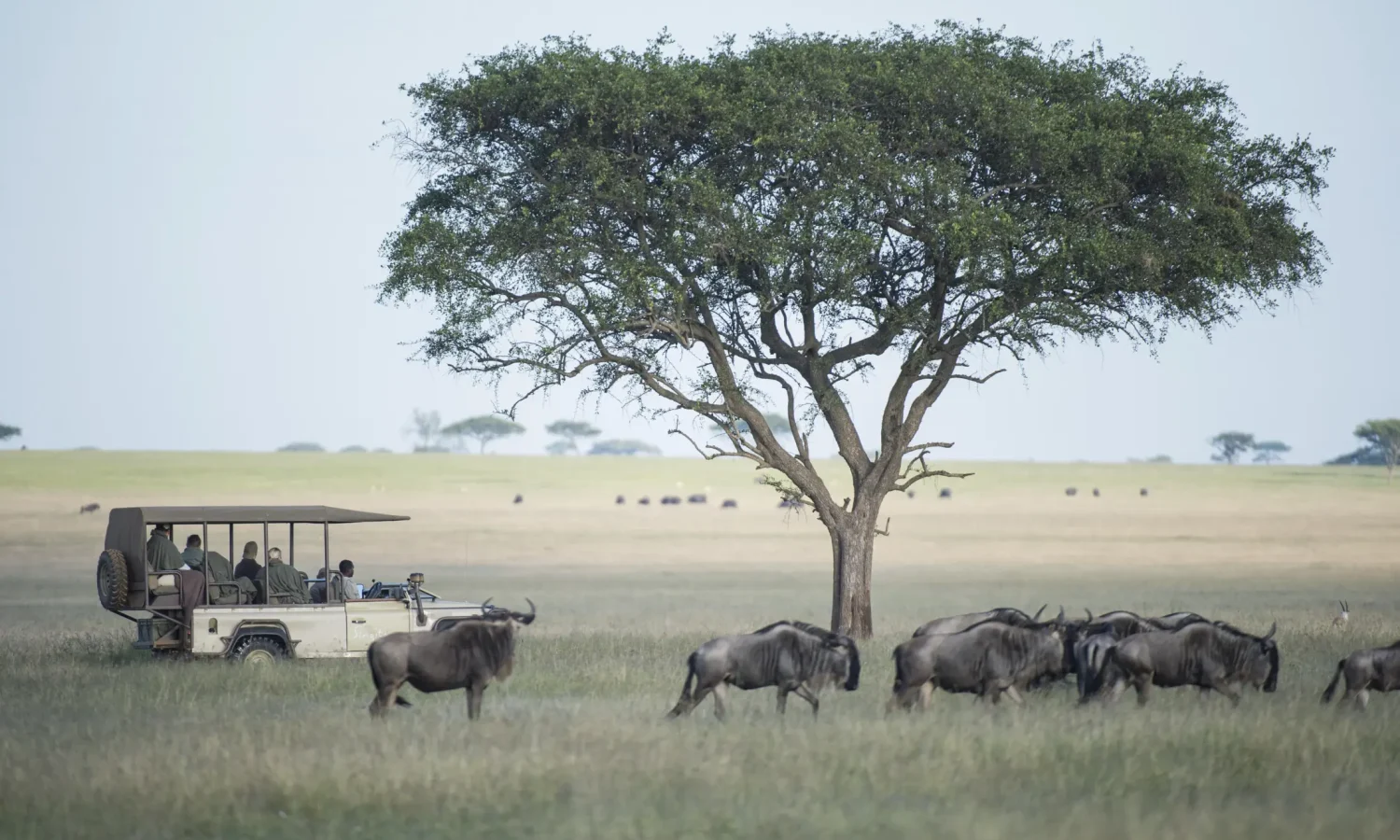
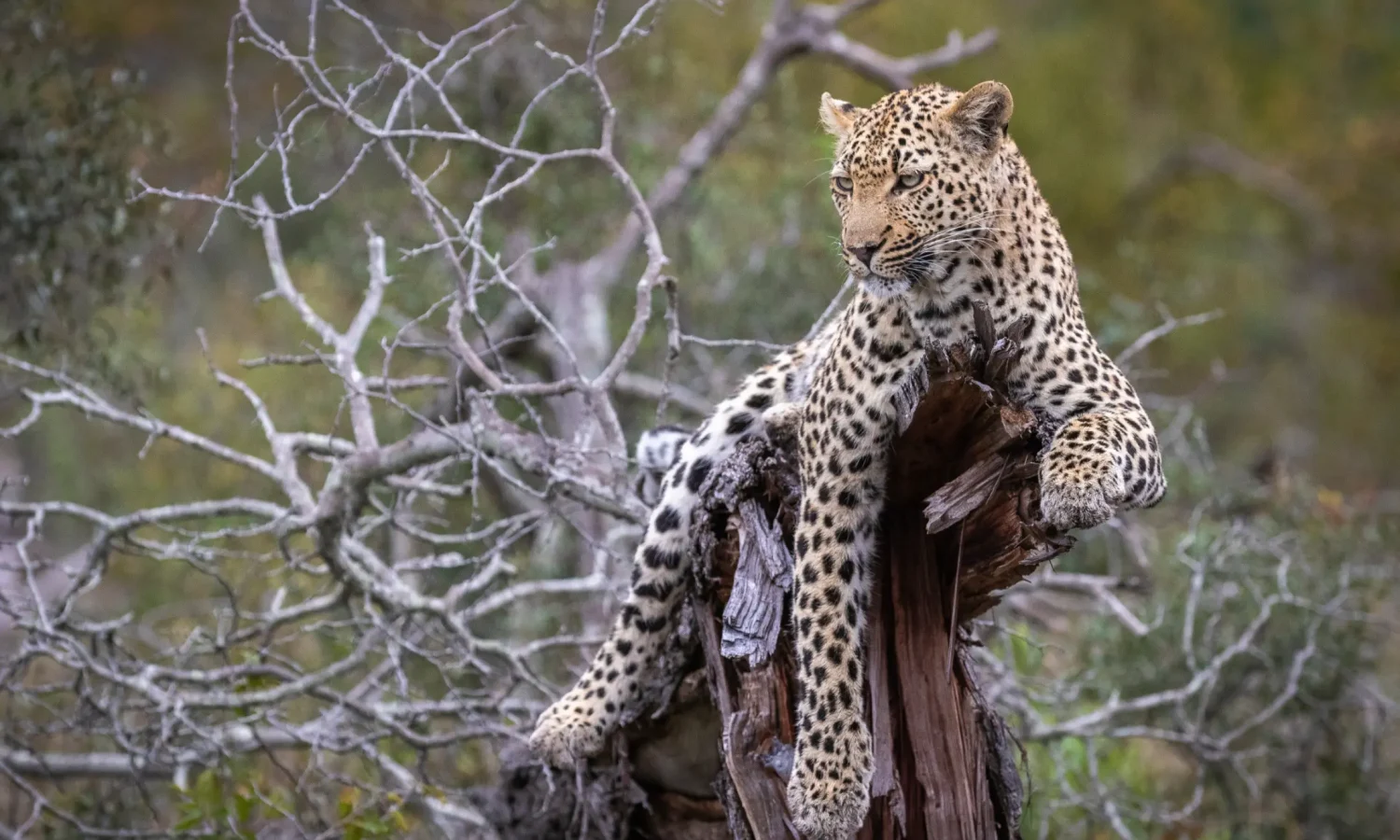
Sabi Sand is frequently our first recommendation for travelers seeking a refined introduction to safari.
Its private reserves form part of the wider Greater Kruger ecosystem, allowing wildlife to move through an extensive conservation landscape. The region is particularly known for:
- Big Five game viewing
- Leopard sightings
- Expert guide-and-tracker teams
- Off-road access for selected sightings
- Intimate luxury lodges
- Exclusive-use villas
The experience is structured around morning and afternoon drives, making it easy to remain in one property for several nights.
Compared with Tanzania, the wildlife landscape may feel more intimate and enclosed. This can create closer sightings and more detailed tracking, although it does not provide the same sense of endless plains or moving herds.
Choose Sabi Sand when the quality of guiding, lodge design and reliable Big Five viewing matter more than covering several ecosystems.
Travelers can explore this combination through our Luxury Safari in Kruger National Park and Cape Town.
Timbavati and Private Kruger Concessions
Timbavati and the private concessions within or adjoining Kruger provide alternatives to Sabi Sand.
These areas often suit travelers who want a slightly quieter atmosphere, larger traversing landscapes or a lodge style that feels more connected to traditional bush living.
The precise experience depends on access arrangements, reserve size and the number of vehicles permitted in a sighting.
This is why “Kruger safari” should not be treated as one uniform product. Staying in the national park, a private concession or an adjoining reserve can result in noticeably different guiding, accommodation and vehicle experiences.
Choose these regions when you value a lower-profile safari and are willing to select the lodge according to its reserve access rather than its name alone.
Madikwe Game Reserve
Madikwe is particularly well-suited to families. The reserve is malaria-free and supports Big Five wildlife alongside family villas, child-focused activities, and private guiding options. Its accessibility from Johannesburg can also simplify the wider itinerary.
Compared with Tanzania, Madikwe offers a more contained, manageable safari. It does not offer the Serengeti’s scale or migration, but it may allow younger travelers to see significant wildlife without long inter-park drives or repeated aircraft transfers.
Choose Madikwe when:
- Traveling with younger children
- A malaria-free area is important
- Private family accommodation is required
- Transfer simplicity matters
- The safari is part of a wider South African vacation
Tswalu Kalahari
Tswalu provides a very different expression of the South African safari.
The environment is arid and expansive, with red sands, open plains, and desert-adapted wildlife. Experiences may place greater emphasis on conservation, tracking, and understanding the Kalahari ecosystem rather than following a conventional Big Five checklist.
Tswalu can appeal to experienced safari travelers who might otherwise be drawn to Tanzania’s sense of scale.
However, the experience remains highly private and lodge-led, making it easier to combine seclusion with the refined facilities associated with South African luxury.
Choose Tswalu when landscape, privacy, and unusual wildlife are more important than seeing the highest possible concentration of famous species.
Cape Town and the Cape Winelands
Cape Town is not a safari region, but it is central to the comparison.
South Africa allows travelers to combine private game reserves with:
- Table Mountain and the Cape Peninsula
- Contemporary restaurants
- Galleries and design
- Historic neighborhoods
- Cape Winelands estates
- Coastal scenery
- Whale-watching regions
- Food and wine experiences
This wider variety is difficult to reproduce within a Tanzania-only itinerary.
For travelers who do not want every day of their vacation to revolve around wildlife, Cape Town may be the decisive factor in choosing South Africa.
Our South Africa itineraries regularly connect Cape Town, the Winelands, and Sabi Sand within a single journey.
Best Safari Regions in Tanzania
Serengeti National Park
The Serengeti is Tanzania’s defining safari region.
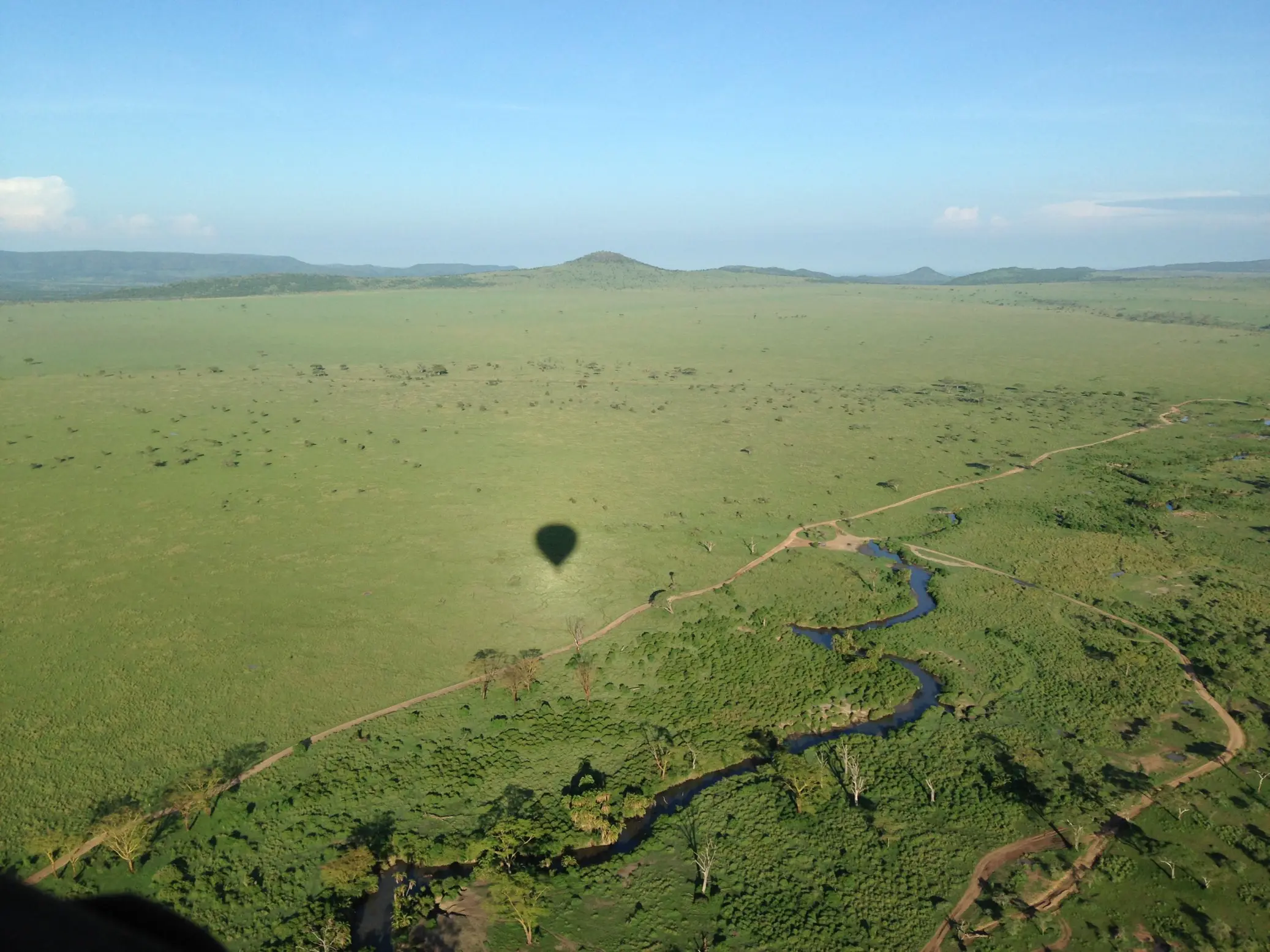
Its open plains, kopjes, river systems and woodland support large populations of herbivores and predators throughout the year. The Great Migration moves through different sections of the ecosystem according to rainfall, grazing and water availability. Camp location should therefore be selected according to the month of travel.
The southern plains are associated with calving during the early part of the year. The central Serengeti provides productive resident wildlife viewing, while the northern region is often selected during the period when herds may approach or cross major rivers.
No specific migration sighting can be guaranteed. Weather and herd movement do not follow an exact calendar.
Choose the Serengeti when large landscapes, predator-prey interactions and seasonal movement matter more than staying in one lodge throughout the safari.
Our bespoke Great Wildebeest Migration Safari combines the Serengeti with Tarangire, Ngorongoro and Arusha.
Ngorongoro Conservation Area
Ngorongoro creates a more concentrated wildlife experience.
The conservation area includes highland plains, woodland, savannah, and the Ngorongoro Crater, while wildlife coexists with Maasai pastoral communities across this multiple-use landscape.
The crater floor supports productive game viewing within a geographically contained area. It can therefore suit travelers with limited time or those wanting a visually dramatic contrast to the Serengeti.
However, Ngorongoro should not be understood only as a wildlife basin. The wider conservation area includes cultural, ecological, and highland elements that add depth to the journey.
Choose Ngorongoro when scenery, concentrated wildlife, and a sense of geological history are important.
Entamanu Private offers one example of a private safari stay positioned near the crater rim.
Tarangire National Park
Tarangire is sometimes treated as a brief introduction before the Serengeti, but it deserves careful consideration.
The park is known for ancient baobabs, elephant herds, and seasonal wildlife gathering around the Tarangire River.
Tanzania National Parks identifies elephants and baobabs among the region’s defining attractions.
Its woodland and riverine landscapes create a noticeable contrast to the Serengeti’s open plains.
Tarangire can also provide a quieter opening to the northern circuit, allowing travelers to adjust to the safari rhythm before moving toward Ngorongoro and the Serengeti.
Choose Tarangire when elephants, landscape variety and a less hurried start to the safari are priorities.
Southern Tanzania
Southern Tanzania suits travelers seeking a more remote safari beyond the famous northern circuit.
Regions such as Ruaha and Nyerere offer broad landscapes, lower visitor densities and opportunities for activities beyond conventional game drives, depending on the chosen area and property.
Travel logistics are more dependent on light aircraft, and a southern itinerary should generally not be added casually to a short northern circuit.
These regions are best suited to repeat safari travelers or guests who value remoteness over seeing Tanzania’s most recognizable landmarks.
Choose southern Tanzania when privacy and wilderness matter more than the Great Migration or Ngorongoro Crater.
Luxury Safari Accommodation in South Africa and Tanzania
Luxury Lodges and Villas in South Africa
South Africa offers one of Africa’s broadest ranges of safari accommodation.
Travelers can choose between:
- Exclusive-use villas
- Intimate safari lodges
- Contemporary architectural properties
- Traditional camps
- Family residences
- Wellness-focused retreats
- Lodges with extensive wine and dining programs
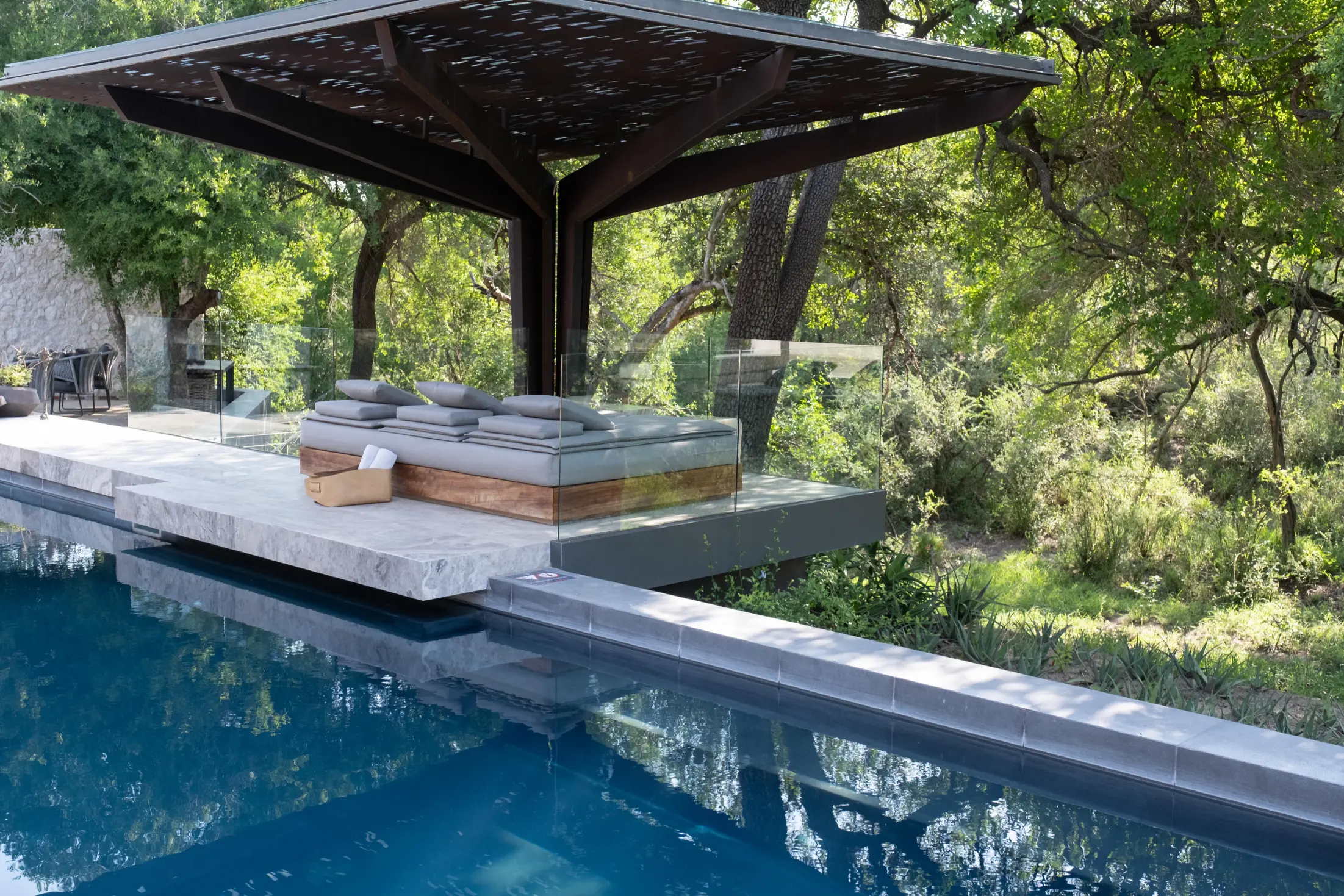
Private villas may include dedicated guides, chefs, hosts and vehicles, allowing the safari schedule to be adjusted around the group.
This is particularly useful for families and multigenerational travelers who do not want to follow shared meal times or fixed game-drive departures.
South African properties often place considerable emphasis on the time between activities. Dining, design, wine, wellness and private pools may form a substantial part of the experience.
Choose South Africa when the lodge itself is expected to carry equal importance to the wildlife.
Luxury Tented Camps in Tanzania
Tanzania’s luxury accommodation is closely associated with tented safari living.
This may include:
- Permanent tented camps
- Seasonal migration camps
- Mobile camps
- Crater-rim lodges
- Private bush houses
- Remote wilderness properties
The term “tented” does not imply basic accommodation.
Suites may include full bathrooms, refined furnishings, private decks, and highly personalized service.
The principal difference is the connection to the landscape.
Canvas allows guests to hear wildlife and weather more clearly, while camps can occupy locations that would not suit a large permanent lodge. Mobile properties may also follow seasonal wildlife movement.
One Nature Nyaruswiga provides an example of a refined tented camp in the central Serengeti.
Choose Tanzania when the atmosphere of camp life and proximity to open wilderness matter more than extensive villa facilities.
Best Time to Visit South Africa and Tanzania
Both destinations can provide rewarding safaris throughout the year, but their seasonal patterns affect wildlife, weather, and the wider itinerary differently.
Period | South Africa | Tanzania |
January–March | Green season in Greater Kruger; warm summer conditions in Cape Town | Calving-season opportunities in the southern Serengeti; warm conditions |
April–May | Transitional safari conditions and cooler weather | Longer rains in many northern areas; quieter camps and green landscapes |
June–October | Dry-season wildlife viewing in Greater Kruger and many northern reserves | Dry-season safari conditions; migration locations vary through the period |
November–December | Green season begins in safari areas; summer develops in the Cape | Shorter rains may refresh landscapes; resident wildlife remains rewarding |
When to Choose South Africa
South Africa’s ideal travel period depends on the regions being combined.
May to October generally suits wildlife-focused journeys in Greater Kruger, with cooler and drier conditions and greater visibility as vegetation becomes less dense.
Cape Town follows a different seasonal pattern. Warmer summer weather from approximately December to March is popular for city, coast, and Winelands experiences.
South Africa is a year-round destination, with May to October favored for safari and the Southern Hemisphere summer particularly popular in Cape Town and the Winelands.
When to Choose Tanzania
June to October is Tanzania’s best-known dry-season safari period.
Wildlife frequently gathers near reliable water, while different sections of the Serengeti may become relevant as the migration progresses. The precise area should be selected according to current seasonal patterns rather than assuming all parts of the Serengeti are equally productive.
December to March can be particularly rewarding in the southern Serengeti ecosystem, where the migration’s calving period may occur.
April and May are generally quieter and wetter. Some properties may close or reduce operations, but travelers who accept variable weather can experience green landscapes and lower visitor density.
Planning Your South Africa or Tanzania Journey
Ideal Trip Length
South Africa is well-suited for travelers with limited time.
Four to five safari nights may provide a rewarding private-reserve experience. Add approximately four nights in Cape Town and two or three nights in the Winelands for a more complete journey.
A South Africa itinerary of ten to fourteen days can therefore combine safari, city, food, wine, and coast without requiring constant movement.
Tanzania generally benefits from more safari time.
Seven to ten nights allows travelers to combine at least two or three complementary regions without reducing each stop to a brief visit. A fuller Tanzania and Zanzibar journey will usually require twelve days or longer.
Our specialists typically recommend:
- South Africa: 9–14 days for safari, Cape Town, and the Winelands
- Tanzania: 8–12 days for a northern-circuit safari
- Tanzania with Zanzibar: 12–16 days
- South Africa and Tanzania combined: approximately 16–20 days
These ranges should be adjusted according to flight connections, children’s ages and the number of camps included.
Road Transfers and Internal Flights
South Africa offers a greater choice between flying and driving.
Private road transfers can work well between selected reserves and airports, while scheduled or charter flights connect more distant regions. Cape Town and the principal safari gateways can be combined without making every transfer part of the safari circuit.
Tanzania’s northern circuit can be explored through a combination of road and air.
Driving provides a stronger understanding of the changing landscape, while flying can reduce time between distant Serengeti regions or the coast.
The strongest itinerary does not automatically remove every drive. Some overland sections provide useful context and visual variety. The objective is to avoid repeating long transfers that would otherwise use up valuable safari time.
Health and Malaria Considerations
Health advice should always be obtained from an appropriate medical professional because recommendations depend on the traveler, season, and precise itinerary.
South Africa offers several malaria-free safari regions, including Madikwe, Tswalu and selected Eastern Cape reserves.
This makes it particularly attractive to families with younger children or travelers who prefer to avoid malaria-risk destinations.
Tanzania’s principal safari regions generally require more detailed malaria-related planning. This does not prevent families from traveling, but it adds another factor when selecting the destination and consulting a medical professional.
Choose South Africa when malaria-free safari options are a decisive requirement.
Combining Safari With a Beach
Both destinations can create excellent bush and beach safaris, but the combinations feel different.
South Africa can be paired with:
- Mozambique
- Mauritius
- Seychelles
- South Africa’s own coastline
Tanzania can be paired naturally with:
- Zanzibar
- Pemba Island
- Mafia Island
- Seychelles
Zanzibar is generally the most seamless beach extension after a Tanzania safari. The journey remains within the same country while shifting from game drives to Swahili culture and the Indian Ocean.
The Tanzania and Zanzibar Safari provides one example of this combination.
South Africa provides a broader range of wider regional combinations, particularly when Cape Town, Mozambique or Mauritius are priorities.
Can You Combine South Africa and Tanzania?
Yes, although the journey takes longer than combining destinations within the same region.
South Africa and Tanzania complement each other because they provide noticeably different experiences.
A combined itinerary may include:
- Cape Town and the Cape Winelands
- A private Big Five reserve in Greater Kruger
- Ngorongoro Crater
- The Serengeti
- Zanzibar or another Indian Ocean extension
South Africa introduces city life, food, wine, and private-reserve safari. Tanzania adds open plains, seasonal wildlife movement, and a more expeditionary multi-region journey.
We generally recommend at least 16 to 20 days. Attempting both countries within a shorter vacation can result in too many flights and insufficient time in each destination.
The combination works best for travelers who see this as a major African journey rather than a single short safari.
For a broader understanding of the regional differences, read our guide to Southern Africa vs East Africa.
South Africa vs Tanzania for Families
South Africa is generally the easier choice for families, particularly those traveling with younger children.
Its advantages include:
- Malaria-free safari reserves
- Private family villas
- Flexible meal times
- Private vehicles
- Shorter single-reserve safaris
- Cape Town and coastal activities
- A broad selection of child-focused programs
A private vehicle allows the guide to adapt each drive according to the children’s attention span, interests and energy level.
South Africa also provides activities beyond safari, which can help maintain variety during a longer family vacation.
Tanzania works particularly well for families with older children who are interested in wildlife and comfortable with longer travel days.
The Serengeti, Ngorongoro and Tarangire provide strong educational value, but the itinerary should avoid excessive camp changes. A private vehicle and carefully selected family accommodation are especially important.
Our Tanzania and Zanzibar Family Holiday combines northern Tanzania with an Indian Ocean conclusion, while our Luxury Family Safari: South Africa and Victoria Falls demonstrates South Africa’s city-and-safari variety.
Choose South Africa for the simpler and more flexible family vacation. Choose Tanzania for older children ready for a wildlife-centered journey.
South Africa vs Tanzania for a Honeymoon
Both countries offer exceptional honeymoon possibilities, but their rhythms differ.
South Africa suits couples who want variety.
A honeymoon can combine:
- A private safari villa
- Cape Town dining and design
- The Cape Winelands
- Coastal scenery
- Mozambique or Mauritius
The journey moves between several styles of luxury without requiring every day to be safari-focused.
Tanzania offers a more atmospheric and wilderness-led honeymoon.
Couples may stay in intimate tented camps, fly over the Serengeti, explore Ngorongoro and finish on Zanzibar or in Seychelles. The contrast between the safari and beach portions creates a clear sense of progression.
Our Luxury Tanzania Honeymoon combines Tanzania’s iconic safari regions within a couple-focused journey.
Choose South Africa when food, wine, private villas and city experiences should form part of the honeymoon.
Choose Tanzania when a tented camp atmosphere, migration landscapes and a seamless Zanzibar extension are more appealing.
Explore additional possibilities through our luxury safari honeymoon experiences.
South Africa vs Tanzania for First-Time Safari Travelers
South Africa is often the more straightforward first safari.
It offers:
- Easier domestic logistics
- Strong Big Five viewing
- A broad range of accommodation
- Private-reserve guiding
- Malaria-free alternatives
- Cape Town and Winelands combinations
- Shorter safari options
It is particularly suitable for travelers who want to experience wildlife without making the entire vacation safari-focused.
Tanzania can also be an exceptional first safari, especially for travelers whose image of Africa is defined by open plains, large herds, and the Serengeti.
However, it usually demands more time and a greater willingness to travel between regions.
The decision should therefore be based on the desired type of first experience.
Choose South Africa for an accessible introduction with a wide range of itineraries.
Choose Tanzania for a deeper immersion in iconic East African landscapes from the outset.
South Africa vs Tanzania for Photography
Both destinations provide strong photographic opportunities, but the visual styles differ.
South Africa is particularly well-suited to:
- Leopards and other big cats at closer range
- Rhino photography in selected reserves
- Detailed behavioral images
- Guide-and-tracker-led positioning
- Private vehicle arrangements
- Landscape photography in Cape Town and the Winelands
Private vehicles can provide photographers with greater control over seating, equipment, and time spent at a sighting.
Tanzania is particularly strong for:
- Large herds
- Open-landscape compositions
- Migration movement
- Predator-prey interactions
- Ngorongoro’s crater scenery
- Elephants beneath Tarangire’s baobabs
- Hot-air balloon perspectives
Choose South Africa when intimate wildlife portraits and flexible vehicle positioning are priorities.
Choose Tanzania when scale, movement, and animals within expansive landscapes are central to the photographic brief.
Which African Destination Is Right for You?
Choose South Africa If:
Choose South Africa when:
- You are planning your first safari.
- You want straightforward logistics.
- You are traveling with younger children.
- A malaria-free safari region is important.
- You prefer staying longer at one lodge.
- You want private villas and flexible schedules.
- You want to combine safari with Cape Town.
- Food, wine, art or coastal scenery are priorities.
- You have limited time.
- You want safari to form part of a broader vacation.
South Africa provides a more flexible, accessible and varied journey.
Choose Tanzania If:
Choose Tanzania when:
- Wildlife is the central purpose of the journey.
- You want to experience the Serengeti.
- The Great Migration is a priority.
- You enjoy moving between contrasting safari regions.
- Open landscapes and large herds appeal to you.
- You are comfortable with longer drives or light-aircraft transfers.
- Tented camp living is part of the attraction.
- You want to combine safari with Zanzibar.
- You have at least one full week for safari.
- You prefer a more immersive East African journey.
Tanzania provides the more expansive, safari-centered experience.
Choose Both If:
Choose both when you have approximately three weeks and want to compare two distinctive expressions of African travel.
South Africa contributes private reserves, Cape Town, the Winelands and a broad accommodation choice.
Tanzania contributes the Serengeti, Ngorongoro, migration landscapes and tented safari living.
The journey should remain selective. One South African safari region and two
Tanzanian regions will usually create a stronger itinerary than attempting to visit every major park in both countries.
The Ker & Downey® Africa Perspective
A common misconception is that South Africa provides a more commercial safari while Tanzania offers a more authentic wilderness experience. The reality is more nuanced.
A carefully selected South African private reserve can feel deeply personal, remote, and wildlife-focused. Guests may spend several days with the same guide and tracker, learning how individual animals move through a relatively intimate landscape.
Tanzania’s scale is immediately impressive, but choosing the wrong location for the season can result in unnecessary driving or time spent far from the wildlife experience a traveler expected.
The better decision is not based on which country sounds more adventurous. It depends on how the traveler wants the journey to unfold.
For some guests, the ideal African vacation moves between Cape Town, the Winelands, and a private Big Five reserve with minimal logistical friction.
For others, the purpose of the trip is to follow wildlife across the Serengeti, descend into Ngorongoro, and sleep in tented camps where the landscape remains present throughout the night.
We often recommend South Africa for first-time travelers, younger families, and groups with varied interests.
We recommend Tanzania for migration enthusiasts, wildlife-focused travelers, and guests who want their safari to feel like a journey through several connected ecosystems.
Neither is universally better. The right destination is the one whose pace, landscapes, and style of luxury match the traveler.
South Africa vs Tanzania: Frequently Asked Questions
/01
Is South Africa or Tanzania Better for a First Safari?
+Tanzania is better for first-time travelers whose main priority is the Serengeti, the Great Migration and a safari-centered itinerary.
/02
Which Destination Has Better Wildlife?
+South Africa is particularly strong for classic Big Five viewing, including leopard and rhino opportunities in selected private reserves.
Tanzania stands out for the Great Migration, large herds, predator-prey interactions and the variety between the Serengeti, Ngorongoro and Tarangire.
/03
Is South Africa or Tanzania Better for the Big Five?
+Tanzania supports the Big Five, but rhino sightings can be less predictable outside selected areas. Tanzania’s principal strength is the scale and variety of its broader wildlife experience.
/04
Is South Africa or Tanzania Better for the Great Migration?
+The herds spend a significant part of their annual cycle within the Serengeti ecosystem. The correct camp and region should be selected according to the month of travel.
Migration sightings and river crossings can never be guaranteed.
/05
Which Destination Is Better for Families?
+Tanzania can be excellent for older children who are comfortable with longer travel days and particularly interested in wildlife.
/06
Which Destination Is More Luxurious?
+South Africa is known for private villas, contemporary lodges, wellness facilities and highly flexible service.
Tanzania is associated with refined tented camps, remote locations and properties positioned around wildlife movement.
/07
Is South Africa or Tanzania Better Value?
+Tanzania can involve higher transport and park-related costs, particularly when combining several remote safari regions.
The final value depends on season, property category, private services and the number of flights.
/08
Which Destination Is Better for a Honeymoon?
+Tanzania is better for couples seeking tented safari camps, the Serengeti, Ngorongoro, and a natural Zanzibar beach conclusion.
/09
Which Destination Is Better for Photography?
+Tanzania is stronger for large herds, migration movement, open landscapes and dramatic environmental compositions.
/10
How Many Days Do You Need in South Africa or Tanzania?
+Allow 8 to 12 days for a Tanzania northern circuit safari.
A Tanzania safari with Zanzibar generally lasts 12 to 16 days.
/11
Can You Combine South Africa and Tanzania?
+A strong combination may include Cape Town, one South African private reserve, Ngorongoro and the Serengeti. Add further regions only when enough time is available to avoid excessive transfers.
/12
Is South Africa or Tanzania Better for a Beach Extension?
+South Africa offers broader regional beach combinations, including Mozambique and Mauritius, while also providing its own coastal experiences.
The best choice depends on whether the traveler wants a culturally layered East African island or a separate Southern African beach destination.
Ready to Plan Your Victoria Falls Journey?
Explore bespoke journeys through South Africa and Tanzania, or compare the Luxury Safari in Kruger National Park and Cape Town with the Tanzania Northern Circuit Safari.
A Ker & Downey® Africa specialist can recommend the right destination based on your wildlife interests, preferred travel pace, family requirements, season and wider vacation priorities.
Start planning your bespoke Victoria Falls journey with Ker & Downey® Africa.
Curated Packages
Signature journeys across Africa
Our expert team crafts journeys that transcend luxury. Each itinerary is shaped by the spirit of the land and the wisdom of its people — opening doors to experiences few can imagine, and even fewer will ever access.
All Year Round
|
11 DAYS
Cape Town Safari & Whale Coast Adventure
All Year Round
|
10 DAYS
The Active Africa Circuit – A Luxury Sport Safari
All Year Round
|
6 DAYS
Luxury Morocco Vacation
All Year Round
|
8 DAYS
Luxury Kenya Safari
June-October
|
9 DAYS
Sub Saharan Kenya Safari Experience
April-October
|
10 DAYS
Best of Botswana Safari
May to October | November to April
|
11 DAYS
Spirit of Zambia Safari
All Year Round
|
10 DAYS
Tanzania & Zanzibar Family Holiday
All Year Round
|
13 DAYS
Elephant Safari in South Africa, Victoria Falls & Botswana
Year Round
|
11 DAYS
Luxury Seychelles Honeymoon and Couples Vacation
June – October
|
18 DAYS
Tanzania and Seychelles Luxury Safari
All Year Round
|
10 DAYS
Luxury Tanzania Honeymoon LuxVenture®
All Year Round
|
7 DAYS
Luxury Gorilla Trekking Safari in Rwanda
All Year Round
|
Day Trip to Antarctica LuxVenture®
All Year Round
|
10 DAYS
Botswana & Victoria Falls Adventure
All Year Round
|
9 DAYS
Luxury Safari in Kruger National Park & Cape Town
June-February
|
13 DAYS
A Cultural Safari Tanzania Zanzibar
Year Round
|
10 DAYS
Natural East Africa Wonders Safari
Feb – May, Sep – Dec
|
10 DAYS
Luxury Journey Through Morocco
All Year Round
|
17 DAYS
Luxury Mauritius & South Africa Experience
All Year Round
|
12 DAYS
Stargazing Desert Safari in Namibia
All Year Round
|
11 DAYS
Luxury Safari in Zambia
June-October
|
8 DAYS
Tanzania Northern Circuit Safari
All Year Round
|
12 DAYS
South Africa Art, Wine & Wilderness Safari
All Year Round
|
17 DAYS
Southern Africa: Framed and Untamed
All Year Round
|
12 DAYS
Tanzania and Zanzibar Safari
All Year Round
|
10 DAYS
Africa Safari: Uganda & Zambia’s Great Waterways
June - Sept
|
8 DAYS
Rivers & Rainforests: A Ugandan Safari
All Year Round
|
9 DAYS
‘Out of Africa’ Safari in Kenya
All year round
|
9 DAYS
Beaches of Seychelles Vacation
All Year Round
|
8 DAYS
Luxury Namibia Safari
June-August
|
12 DAYS
Rovos Rail and Zambezi River Escape
All Year Round
|
13 DAYS
Elements of Southern Africa: A Curated Safari
All Year Round
|
10 DAYS
The Luxury of Time – Botswana Unhurried
All Year Round
|
14 DAYS
Southern Africa’s Finest: SA, Victoria Falls & Botswana
May to October
|
8 DAYS
Mad Max Safari Adventure
May-October
|
8 DAYS
Luxury Treehouse Safari to Botswana LuxVenture®
June - Sept
|
11 DAYS
Uganda Done Right
Jan, Feb, Jun – Sept
|
13 DAYS
Gorilla Trekking, Ngorongoro Crater & Serengeti
11 - 20 May 2027
|
10 DAYS
The African Table: A Culinary Safari
All Year Round
|
16 DAYS
Ultimate East Africa Safari
Dec – Mar
|
7 DAYS
Wildebeest Calving Season Safari
March to June
|
10 DAYS
Zimbabwe Victoria Falls & Safari LuxVenture®
All Year Round
|
14 DAYS
Luxury South Africa and Mozambique Honeymoon
Year Round
|
11 DAYS
Adventure and Exploration in the Seychelles
15 June - 15 November
|
7 DAYS
Luxury Tented Safari in Tanzania
July-September
|
6 DAYS
Horseback Safari in Kenya
Year Round
|
18 DAYS
Southern Africa Luxury Bush & Beach Escape
May - October
|
12 DAYS
The Shape of Namibia – Luxury Namibia Safari
Year Round
|
15 DAYS
The Ultimate Southern Africa Bush & Beach
All Year Round
|
8 DAYS
Best of Egypt LuxVenture®
All year round
|
12 DAYS
Luxury Family Safari: South Africa & Victoria Falls
June - Sept
|
15 DAYS
Gorillas & Big Five Safari Adventure
All Year Round
|
9 DAYS
Luxury Adventure through Namibia
March-December
|
10 DAYS
Luxury Private Safari in Zambia
All Year Round
|
11 DAYS
Wild Hearts, Island Dreams: Luxury Safari Tanzania and Zanzibar
All Year Round
|
11 DAYS
Luxury Egypt Experience
All Year Round
|
9 DAYS
Botswana Okavango Honeymoon LuxVenture®
All Year Round
|
12 DAYS
Culinary Journey to Morocco
Jan, Feb, Jun – Sept
|
5 DAYS
Mountain Gorilla Trekking in Rwanda
All Year Round
|
10 DAYS
Cairo + Luxury Nile Cruise
Year Round
|
8 DAYS
African Wild Dog Safari in Zimbabwe
All year round
|
9 DAYS
9-day Victoria Falls to Botswana Luxury Safari
Set Departure 2027
|
12 DAYS
The Great Egyptian Eclipse
All Year Round
|
13 DAYS
Amboseli, Lewa and Masai Mara Safari
June-October
|
9 DAYS
The Great Wildebeest Migration Safari in Tanzania
June-October
|
10 DAYS
Electric Vehicle Safari in Kenya
June-October
|
7 DAYS
African Wild Dog Safari
All Year Round
|
7 DAYS
Chobe River Cruise & Okavango Delta Safari
May - October
|