
Kenya vs Tanzania Safari: Which East African Safari Is Right for You?
Written by
Ker & Downey® Africa
If you’re planning your first East African safari, the choice between Kenya and Tanzania comes down to the kind of experience you want. Kenya is often the better fit for travelers looking for a shorter, more efficient safari with iconic wildlife encounters, while Tanzania suits those wanting vast wilderness, longer journeys, and the legendary landscapes of the Serengeti.
Both countries offer exceptional game viewing, the chance to witness the Great Migration, and some of Africa’s most memorable safari experiences, but they feel very different. Kenya’s private conservancies, classic savannah scenery, and well-connected parks make it ideal for first-time safari travelers and those with limited time. Tanzania’s scale, remote wilderness areas, and world-famous parks create a slower, more immersive adventure.
This guide breaks down the key differences between a Kenya vs Tanzania safari, from wildlife and parks to travel style, timing, and logistics, so you can decide which destination, or combination of both, is right for your journey.
Whether you want to visit Kenya, Tanzania or both, our safari experts will curate the perfect safari itinerary just for you. Our luxury travel specialists have been designing tailor-made East African safaris for more than 30 years, helping travelers experience Kenya, Tanzania and multi-country itineraries throughout the region.
Kenya vs Tanzania Safari at a Glance
Kenya | Tanzania | |
Signature parks | Masai Mara, Amboseli, Samburu, Laikipia | Serengeti, Ngorongoro Crater, Tarangire |
Typical pace | Shorter flights between parks, efficient multi-park itineraries | Longer overland transfers, slower and more immersive |
Entry requirement | Electronic Travel Authorization (eTA), applied for online in advance | E-visa or visa on arrival for most nationalities |
Best known for | High predator density, conservancy exclusivity, classic safari scenery | Scale, wilderness, the Great Migration’s core range, Ngorongoro’s wildlife concentration |
Typical trip length | 5–8 nights | 6–10 nights |
Easy to combine with | Tanzania, Zanzibar beach holidays | Kenya, Zanzibar beach holidays |
Kenya Safari vs Tanzania Safari: Key Differences
Entry requirements
Kenya now operates entirely on an Electronic Travel Authorization, not a traditional visa. Nearly every visiting nationality must apply online in advance through Kenya’s official government portal; visa-on-arrival is no longer available, so this step has to happen before you fly, not after you land.
Tanzania’s system is more familiar to many travelers, and most nationalities can apply for an e-visa in advance or get a visa on arrival. Processing for the e-visa can take anywhere from a few days to two weeks, so applying early is worth it even though arrival visas remain an option for many travelers.
Neither system is difficult, but Kenya’s requires more advance planning since there’s no on-arrival fallback.
Travel Pace
This is, in our experience, the difference that matters most and gets talked about least.
Kenya’s major parks sit relatively close together. A direct flight from Nairobi to the Masai Mara takes about an hour; Amboseli is a few hours by road or a short flight. This makes Kenya well-suited to itineraries that move between two or three parks in a week without feeling rushed.
Tanzania’s circuit is built around longer distances and bigger landscapes. Getting from the Serengeti to Ngorongoro Crater, for instance, is often a half-day drive through changing terrain that many guests count among the highlights of the trip rather than a logistics problem. Tanzania safaris tend to reward travelers with a little more time and a slower pace.
Neither approach is better. It’s a question of whether you want a trip that covers ground efficiently or one that lingers.
Access and Exclusivity
Kenya and Tanzania achieve exclusivity in different ways.
The Masai Mara’s surrounding private conservancies offer some of the most exclusive game viewing in East Africa, with strict limits on vehicle numbers and access to activities like walking safaris, night drives, and off-road driving that aren’t permitted in the main reserve. It’s exclusivity through curation: fewer camps, fewer guests, more control over the experience.
Tanzania achieves a similar effect through scale. The Serengeti covers nearly 15,000 square kilometers, and even during peak season there are stretches where you won’t see another vehicle for miles, particularly away from the well-known river-crossing points in the north. Many of the country’s finest camps are also set in private concessions bordering the national parks, offering the same off-road and walking privileges found in Kenya’s conservancies.
Both countries offer a genuinely exclusive safari; Kenya through tightly managed conservancies, Tanzania through a combination of sheer space and private concessions.
Wildlife Experiences
Both Kenya and Tanzania offer outstanding wildlife, but with different styles of safari.
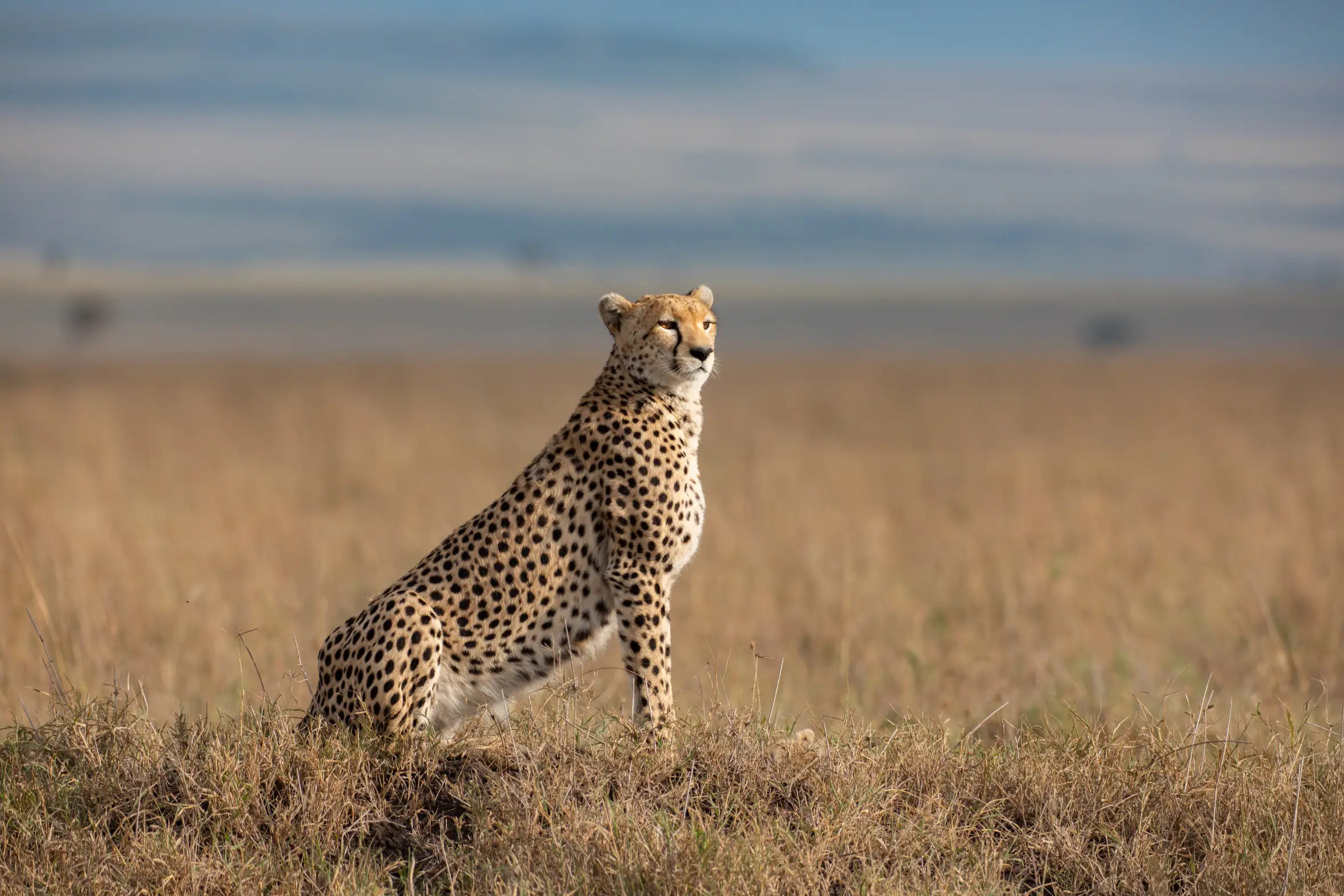
Kenya is known for reliable predator sightings and classic safari scenes. The Masai Mara is especially rich in lions, cheetahs, and leopards, while Amboseli is famous for large elephant herds set against Mount Kilimanjaro.
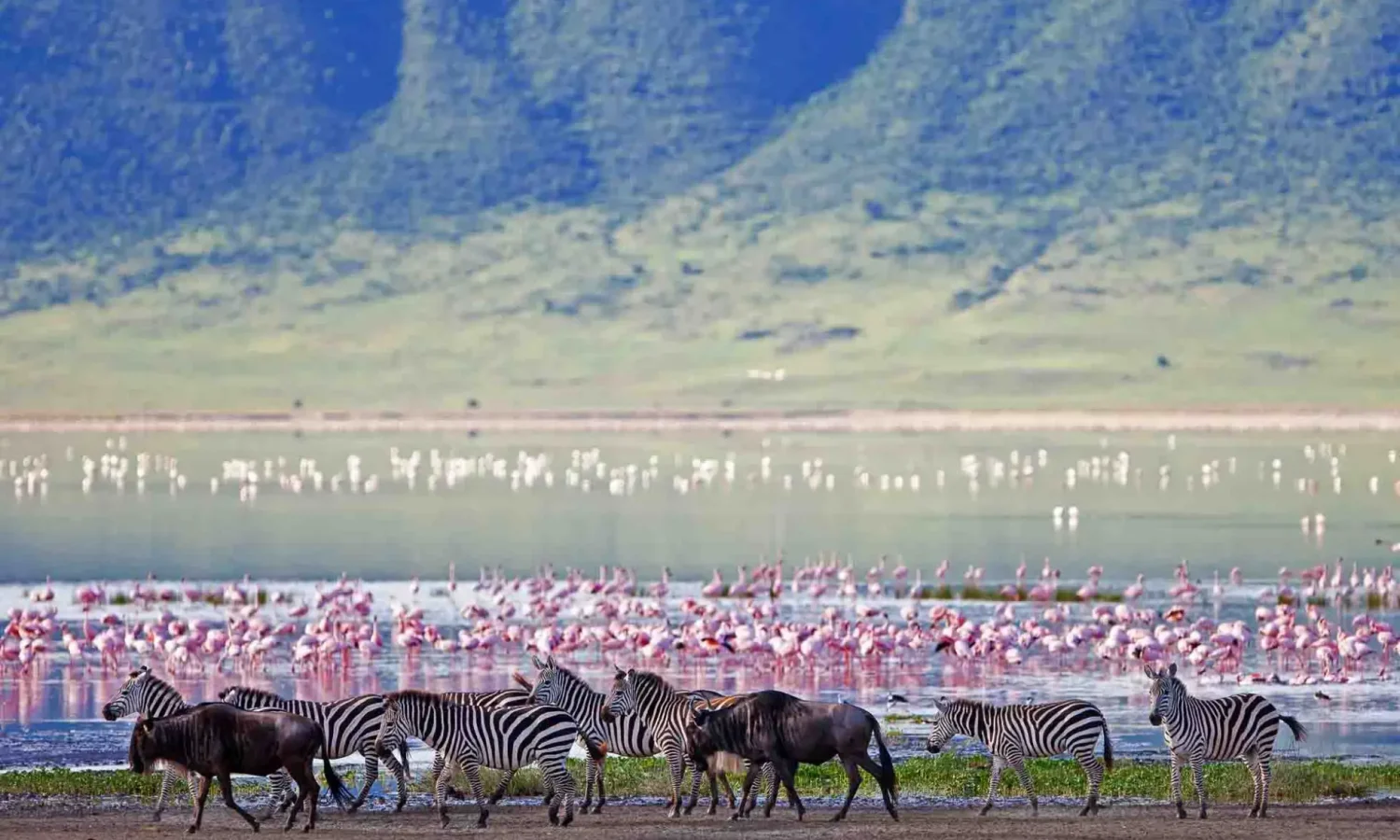
Tanzania stands out for scale and wilderness. The Serengeti hosts vast numbers of animals and the Great Migration, while Ngorongoro Crater offers dense, consistent game viewing in a unique enclosed ecosystem.
Kenya also has private conservancies for more exclusive, flexible safari experiences, while Tanzania offers vast, less crowded landscapes and a stronger sense of remoteness.
In short, Kenya delivers classic, high-reliability safari viewing, while Tanzania offers bigger landscapes and a more immersive wilderness experience.
Kenya and Tanzania: What Each Country Is Known For
Kenya: Classic Safari, Efficiently Delivered
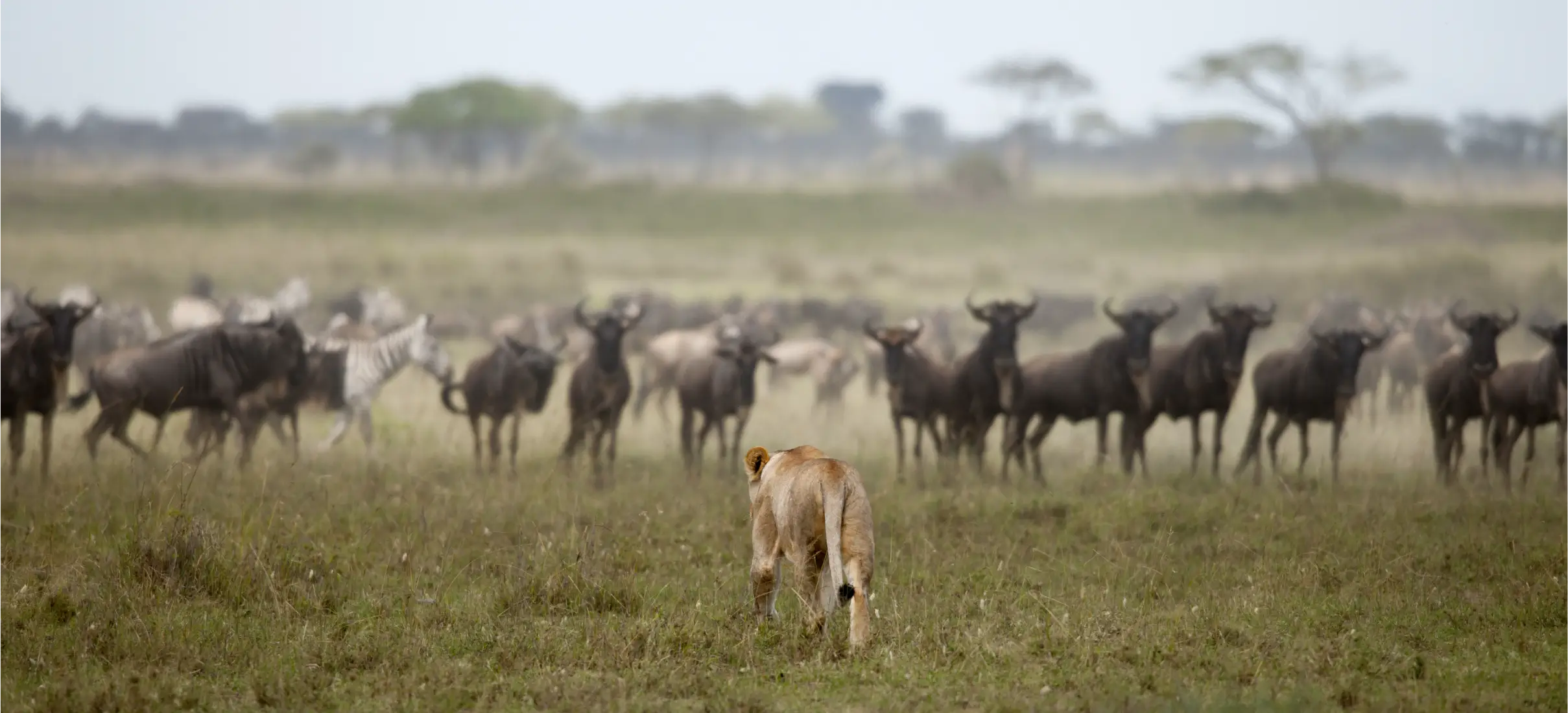
Kenya is home to the Masai Mara, one of the most reliable wildlife destinations on the continent, where lion, cheetah, and leopard sightings are a near-daily occurrence even outside migration season. It’s also home to Amboseli, famous for its large elephant herds set against the backdrop of Mount Kilimanjaro, and a strong network of private conservancies around the Mara that offer a more exclusive, lower-density safari experience. Kenya tends to suit travelers who want an efficient, high-impact trip: shorter flights between parks, consistently strong wildlife viewing, and well-established infrastructure.
Tanzania: Scale, Wilderness, and the Migration's Core Range
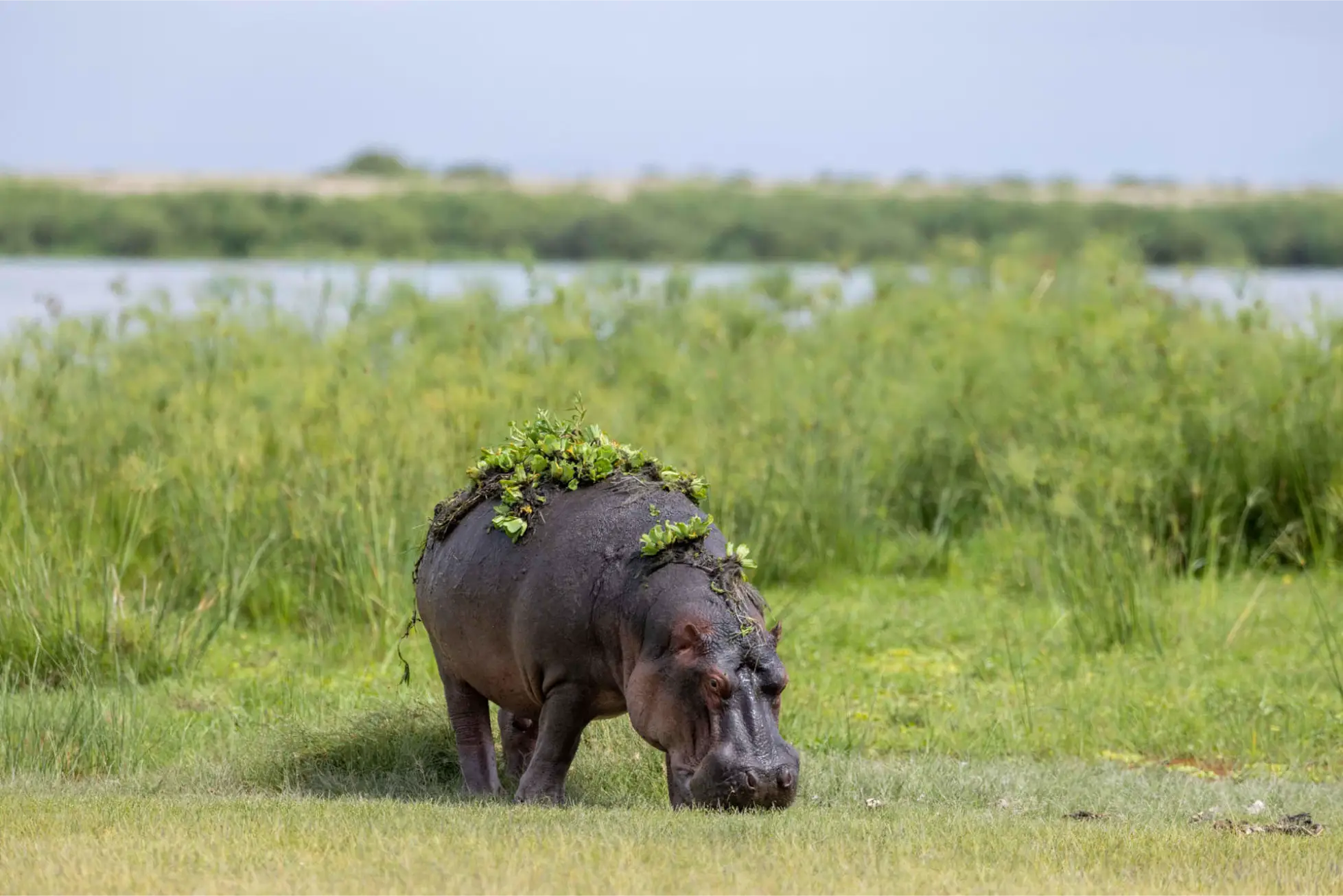
Tanzania is home to the Serengeti, the ecosystem most people picture when they imagine an African safari, and Ngorongoro Crater, a self-contained volcanic caldera that concentrates an extraordinary density of wildlife, including the black rhino, into a relatively compact area. Tarangire and the southern circuit add further depth for travelers with more time. Tanzania tends to suit travelers who want a longer, more immersive journey, with bigger landscapes, longer drives, and a slower, more deliberate pace.
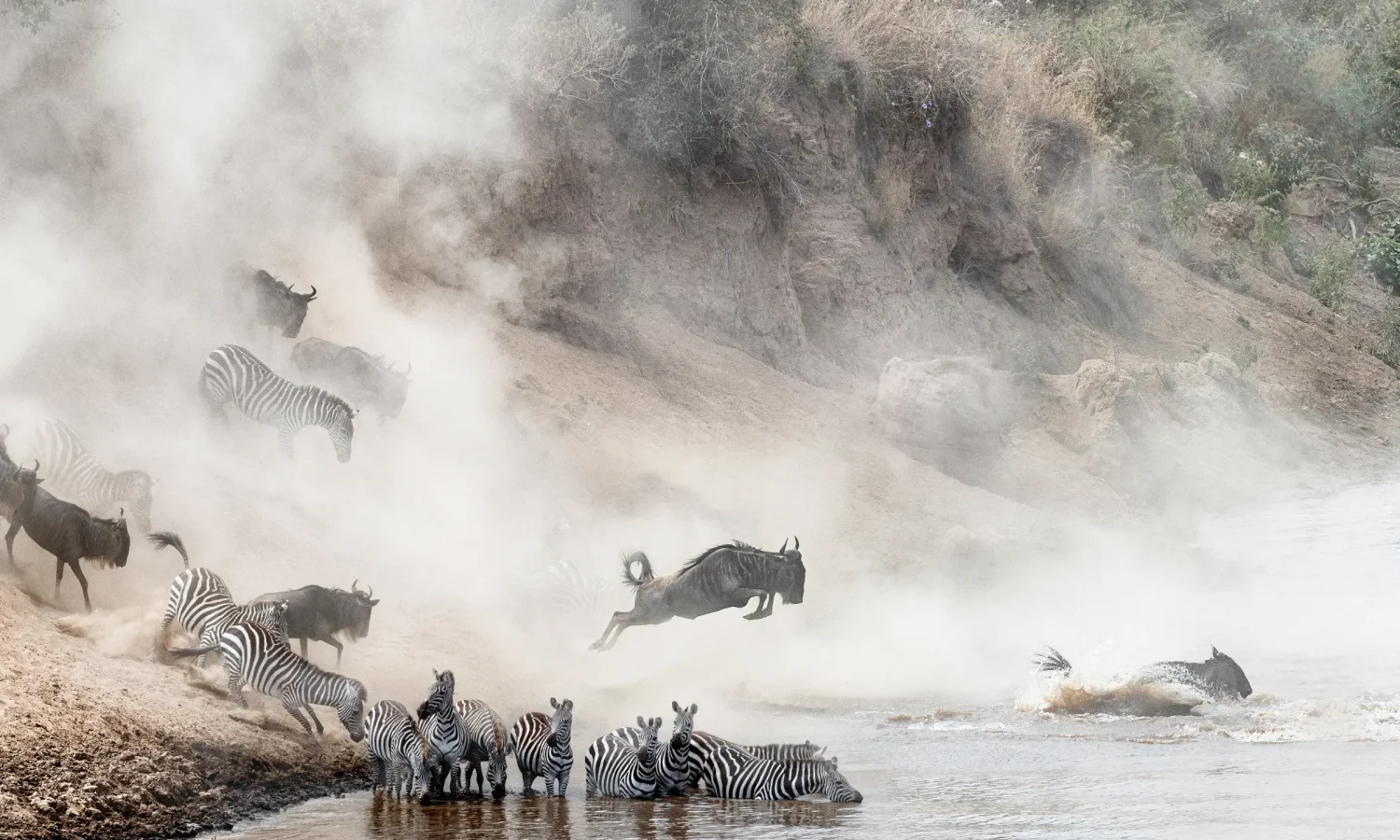
Best Time to Visit: Kenya vs Tanzania
Both Kenya and Tanzania are year-round safari destinations, but the best wildlife viewing depends on rainfall patterns and the Great Migration cycle.
The dry seasons (generally June–October) are the best time for classic game viewing in both countries. Animals gather around water sources, vegetation is thinner, and predator sightings are easier. This period also aligns with peak safari season.
The wet seasons (November–May) bring greener landscapes, fewer crowds, and excellent birdwatching. However, wildlife can be more dispersed, and some roads may be harder to navigate in heavier rains.
Tanzania’s Serengeti also follows the Great Migration cycle, meaning timing can influence whether you see river crossings in the north or calving season in the south.
Kenya tends to offer more consistent year-round game viewing in places like the Masai Mara, while Tanzania’s experience can vary more depending on migration movement and region.
Factor | Kenya | Tanzania |
Overall best season | June–October | June–October |
Green season value | Nov–May (fewer crowds) | Nov–May (lush scenery, birding) |
Great Migration | July–October (Masai Mara) | Year-round movement (Serengeti) |
Big game viewing | Consistent year-round (Masai Mara) | Best in dry season |
Photography conditions | Clear, dry season light | Exceptional in both dry + green seasons |
Crowds | Moderate–high in peak season | Can be more spread out geographically |
Can You Combine Kenya and Tanzania?
Yes, and many of our clients do visit Kenya and Tanzania on a single trip. Nairobi and Kilimanjaro International Airport are connected by short flights, which makes combining a Kenya safari with a Tanzania safari into a single experience logistically possible. A common approach often starts in the Masai Mara or Amboseli for a few days of classic Kenyan game viewing, then flying into northern Tanzania to experience the Serengeti and Ngorongoro Crater, before finishing with a few days on the beaches of Zanzibar in the Indian Ocean. It’s a longer trip, typically 10 days or more, but it showcases both countries at their best rather than asking you to choose between them.
Not sure which safari suits you? Our Africa specialists can help you choose between Kenya, Tanzania or a combined itinerary based on your travel style, available time and priorities. Contact us to learn more about planning your next bespoke safari in Africa.
Best Parks in Kenya
Masai Mara
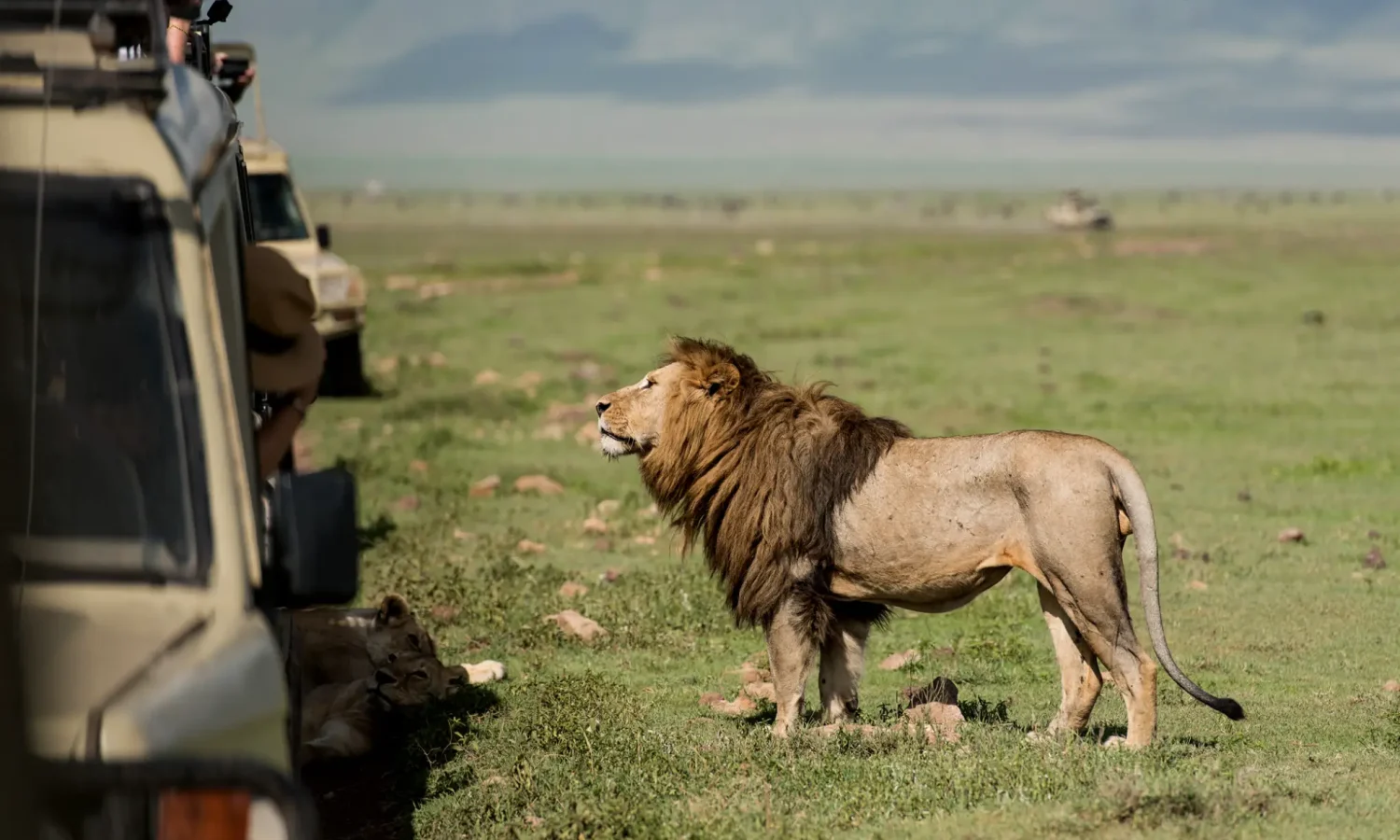
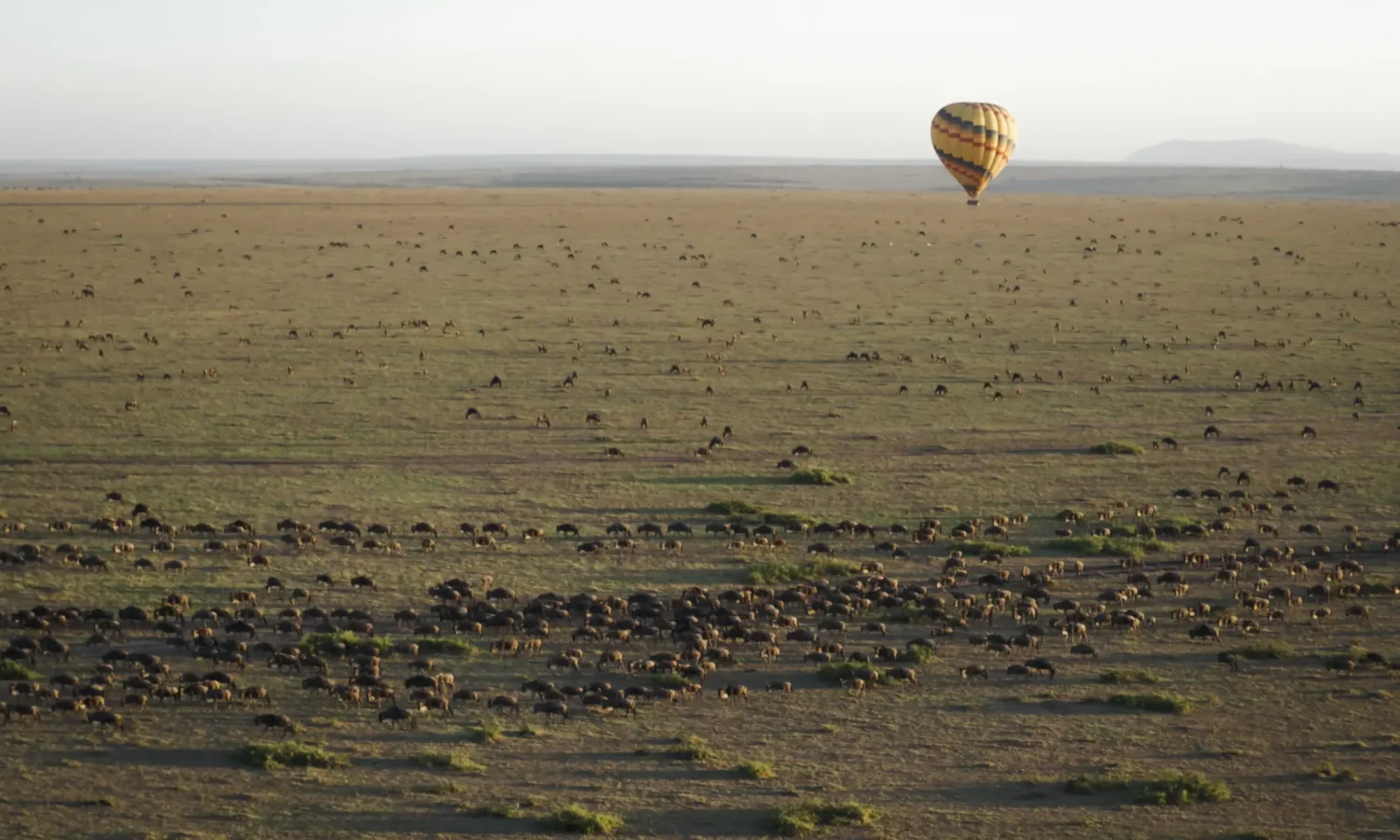
The Masai Mara is Kenya’s most famous reserve, and for good reason. Its open grasslands hold one of the highest concentrations of predators anywhere in Africa, with lion, cheetah, leopard, and hyena all reliably encountered, often on the same game drive. Between July and October, the Mara also becomes the stage for the Great Migration’s arrival from the Serengeti, with dramatic Mara River crossings offering thrilling predator prey action.
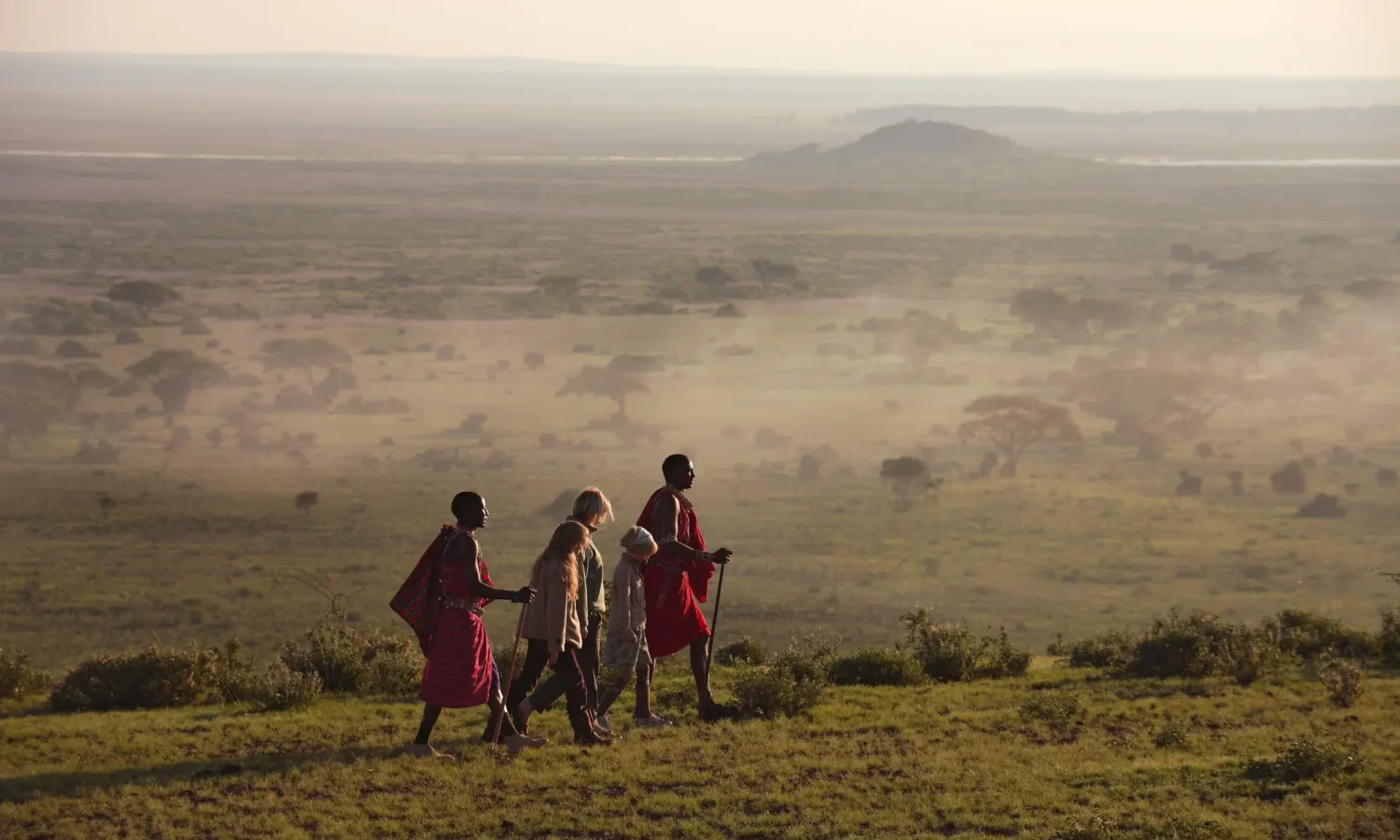
What sets Kenya’s Masai Mara National Reserve apart from many other reserves is the ring of private conservancies surrounding it, including the Naboisho, Mara North, and Olare Motorogi conservancies, where guest numbers are capped and activities like walking safaris and night drives are permitted. For travelers prioritizing exclusivity alongside wildlife density, this is where Kenya does its best work.
Amboseli National Park
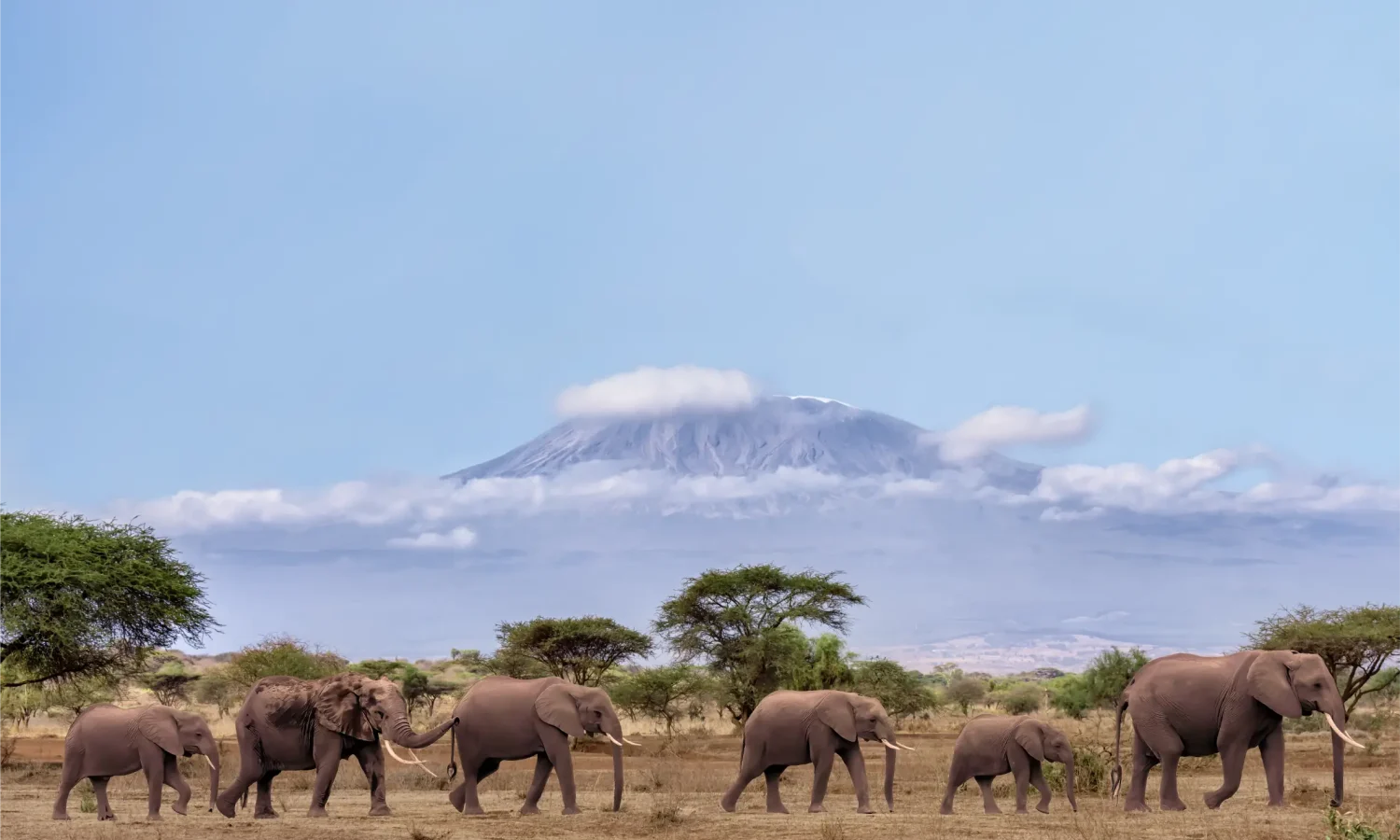
Amboseli is defined by one thing above all else: elephants, framed against the unmistakable backdrop of Mount Kilimanjaro. The park is home to some of Africa’s last great tuskers and multi-generational herds that move across its dusty plains and seasonal swamps in full view of the mountain on clear mornings.
Beyond elephants, Amboseli supports healthy populations of lion, cheetah, giraffe, and over 400 bird species, making it a favorite for photographers who want both wildlife and scenery in a single frame.
Samburu National Reserve and Laikipia
North of the more famous southern circuit, Samburu National Reserve and the private conservancies of Laikipia offer a different side of Kenya entirely. Samburu’s arid landscape supports species rarely seen further south, including the gerenuk, reticulated giraffe, and Grevy’s zebra, while Laikipia’s vast private ranches are a stronghold for black and white rhino and some of the country’s most progressive community conservation models.
These regions tend to appeal to repeat visitors to Kenya, or travelers looking to combine classic Mara and Amboseli game viewing with somewhere quieter and less visited.
Best Parks in Tanzania
Serengeti National Park
Tanzania’s Serengeti is the ecosystem most people picture when they imagine an East African safari: endless plains, vast skies, and one of the world’s last great wildlife migrations moving through it. Covering nearly 15,000 square kilometers, the park’s regions each have their own character, from the calving grounds of the southern plains in the early months of the year to the dramatic Mara river crossings of the north between roughly August and October.
Even outside migration season, the Serengeti’s iconic wildlife, including healthy populations of lion, leopard, cheetah, and elephant, ensures rewarding game viewing year-round and excellent opportunities for photographic safaris.
Ngorongoro Crater
Ngorongoro is unlike anywhere else in Africa. The world’s largest intact volcanic caldera concentrates an extraordinary density of incredible wildlife, including the endangered black rhino, into a compact, self-contained ecosystem. Descending from the crater rim onto the floor below is one of the most memorable openings to any safari in East Africa.
Because wildlife viewing here is consistently strong throughout the year, Ngorongoro is often recommended to travelers with limited time who still want a genuine wildlife spectacle.
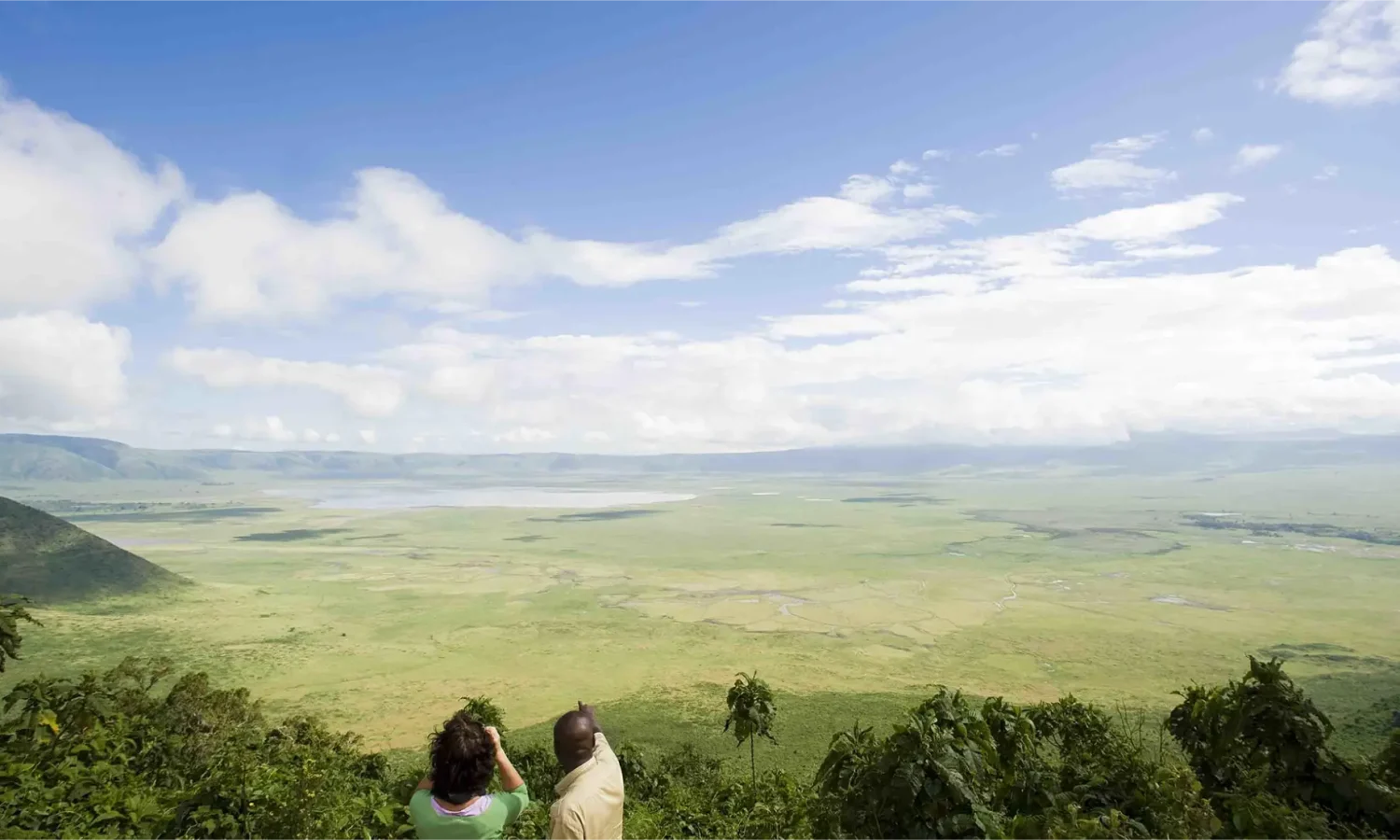
Tarangire and the Southern Circuit
Tarangire National Park, known for its ancient baobab trees and large elephant herds, makes an excellent addition to Tanzania’s famous northern circuit, particularly during the dry season when wildlife concentrates around the Tarangire River. For travelers with more time, Tanzania’s southern circuit, including Ruaha and the Selous, offers a wilder, far less visited alternative to the northern parks, with giraffe, baobab-studded landscapes, and a genuine sense of remoteness.
Luxury Safari Lodges in Tanzania and Kenya
The parks set the stage, but in East Africa, the camp or lodge is very often where the safari is actually made or remembered. Our approach across both countries favors small, intimate properties in private locations over larger commercial lodges, prioritizing access, guiding quality, and a genuine sense of place.
Kenya luxury lodges
In Kenya, properties like Sala’s Camp, set in the southern Masai Mara along the Sand and Keekorok rivers and positioned directly on the Great Wildebeest Migration’s northern corridor, and Angama Mara, perched on the Oloololo Escarpment with sweeping views across the entire Mara plain, are emblematic of the country’s classic-safari-meets-modern-design style. Properties within the private conservancies tend to combine this aesthetic with lower guest density and a wider range of permitted activities.
Tanzania luxury lodges
In Tanzania, the scale of the landscape supports a different kind of property. Entamanu Ngorongoro, a small, fully demountable tented camp on the crater’s eastern rim, offers views across both the crater floor and the Serengeti plains beyond. In the southern Serengeti and Ndutu region, mobile tented camps such as Olakira, Ubuntu, and Kimondo move seasonally to stay close to the migration, offering a more nomadic, “Out of Africa” style of stay. Permanent lodges like One Nature Nyaruswiga in central Serengeti, meanwhile, offer front-row positions on the migration without the seasonal relocation.
The right lodge choice ultimately depends on the same questions as the country choice: how much you want to move, how immersive you want each stop to feel, and what kind of access matters most to you. This is where a tailored itinerary, rather than a fixed package, tends to matter most and where we excel in creating a dream safari tailored to your precise needs.
Kenya vs Tanzania For a Family Safari
A luxury family safari is one of the most rewarding ways to experience East Africa, but choosing between Kenya and Tanzania depends on your children’s ages, your preferred pace, and the type of adventure you want to create.
Kenya is often the easier introduction for families, with shorter transfers between parks, excellent wildlife density, and private conservancies around the Masai Mara offering a more flexible safari experience. Family-friendly camps provide spacious accommodation, private guides, and activities such as bush walks, wildlife tracking, and cultural experiences. The Masai Mara is particularly rewarding for first-time safari families, with reliable sightings of lions, elephants, giraffes, and cheetahs. If you are interested in Family Safaris in Kenya, you can explore more tailored itineraries designed specifically for this destination.
Tanzania offers a more immersive wilderness experience, making it especially appealing for families with older children or more time. The Serengeti and Ngorongoro Crater provide some of Africa’s most iconic landscapes and wildlife encounters, while longer drives become part of the adventure, offering opportunities to learn about conservation, ecosystems, and local cultures. If you are interested in Family Safaris in Tanzania, you can discover more dedicated journeys across this destination.
For many families, combining both countries creates the ultimate East African journey: Kenya’s accessible wildlife experiences followed by Tanzania’s vast wilderness, with a Zanzibar beach extension to finish. You can also explore our wider Family Safaris in East Africa for combined itineraries across the region, or view our Luxury Family Safaris for a full overview of bespoke family safari experiences.
The right choice ultimately depends on your family’s travel style, available time, and the kind of safari memories you want to create.
We excel at curating luxury family safari experiences in some of Africa’s most exclusive destinations, including Tanzania and Kenya. Contact us to learn more.
Which East African Safari Is Right for You?
For first-time safari travelers, the Masai Mara and Amboseli often provide an exceptional introduction to East Africa.
For those seeking a thrilling photographic safari, Amboseli and the northern Serengeti are difficult to surpass.
For migration enthusiasts, combining the Serengeti and Masai Mara creates an opportunity to experience different stages of one of nature’s greatest wildlife spectacles.
For travelers with limited time, Ngorongoro offers some of the most rewarding wildlife viewing on the continent.
The Ker & Downey® Africa Perspective
One of the most common misconceptions our Africa safari experts encounter is that travelers need to choose between Kenya or Tanzania safari routes.
Having designed safaris across East Africa for more than three decades, we have found that the decision is rarely about wildlife alone. Instead, it comes down to travel style, available time, budget, photography interests, seasonality, and how guests want to experience the region.
In reality, some of East Africa’s most rewarding journeys combine multiple ecosystems into a single itinerary.
Pairing the Serengeti National Park’s endless plains with the wildlife-rich floor of Ngorongoro Crater creates a safari that feels both expansive and intimate. Combining Amboseli’s iconic elephant encounters with the predator-rich landscapes of the Masai Mara reveals two entirely different sides of Kenya.
Both countries deliver extraordinary wildlife encounters. The difference lies in the journey surrounding them.
The truth is that there is no single best safari destination in East Africa. There is only the destination that best matches your interests, travel style, and expectations.
Each destination offers something extraordinary. Together, they tell the story of East Africa.
Ready to Start Planning? Let us Curate Your Dream Safari
Explore our curated journeys through Kenya and Tanzania, or speak with one of our Africa specialists to begin designing your own East African safari.
Kenya Vs Tanzania Safari: FAQs:
/01
Is Kenya or Tanzania better for a first safari?
+/02
Is Kenya or Tanzania better for the Great Migration?
+/03
Is Kenya or Tanzania better for a family safari?
+/04
Which safari is more luxurious: Kenya or Tanzania?
+/05
Can you combine Kenya and Tanzania in one safari?
+/06
How many days do you need for a Kenya or Tanzania safari?
+Curated Packages
Signature journeys across Africa
Our expert team crafts journeys that transcend luxury. Each itinerary is shaped by the spirit of the land and the wisdom of its people — opening doors to experiences few can imagine, and even fewer will ever access.
June - Sept
|
15 DAYS
Gorillas & Big Five Safari Adventure
All Year Round
|
13 DAYS
Elements of Southern Africa: A Curated Safari
June-October
|
10 DAYS
Electric Vehicle Safari in Kenya
March-December
|
10 DAYS
Luxury Private Safari in Zambia
All Year Round
|
17 DAYS
Southern Africa: Framed and Untamed
All Year Round
|
10 DAYS
Africa Safari: Uganda & Zambia’s Great Waterways
All Year Round
|
9 DAYS
Botswana Okavango Honeymoon LuxVenture®
All Year Round
|
7 DAYS
Luxury Gorilla Trekking Safari in Rwanda
All Year Round
|
10 DAYS
Luxury Tanzania Honeymoon LuxVenture®
All Year Round
|
Day Trip to Antarctica LuxVenture®
All Year Round
|
12 DAYS
Stargazing Desert Safari in Namibia
All Year Round
|
14 DAYS
Luxury South Africa and Mozambique Honeymoon
All Year Round
|
17 DAYS
Luxury Mauritius & South Africa Experience
June-February
|
13 DAYS
A Cultural Safari Tanzania Zanzibar
Feb – May, Sep – Dec
|
10 DAYS
Luxury Journey Through Morocco
All Year Round
|
11 DAYS
Wild Hearts, Island Dreams: Luxury Safari Tanzania and Zanzibar
June-October
|
7 DAYS
African Wild Dog Safari
Jan, Feb, Jun – Sept
|
13 DAYS
Gorilla Trekking, Ngorongoro Crater & Serengeti
April-October
|
10 DAYS
Best of Botswana Safari
Year Round
|
15 DAYS
The Ultimate Southern Africa Bush & Beach
All Year Round
|
6 DAYS
Luxury Morocco Vacation
All Year Round
|
12 DAYS
South Africa Art, Wine & Wilderness Safari
All year round
|
9 DAYS
9-day Victoria Falls to Botswana Luxury Safari
All Year Round
|
11 DAYS
Luxury Safari in Zambia
Year Round
|
10 DAYS
Natural East Africa Wonders Safari
15 June - 15 November
|
7 DAYS
Luxury Tented Safari in Tanzania
All Year Round
|
10 DAYS
The Active Africa Circuit – A Luxury Sport Safari
All year round
|
12 DAYS
Luxury Family Safari: South Africa & Victoria Falls
All Year Round
|
12 DAYS
Tanzania and Zanzibar Safari
All Year Round
|
9 DAYS
‘Out of Africa’ Safari in Kenya
May to October | November to April
|
11 DAYS
Spirit of Zambia Safari
July-September
|
6 DAYS
Horseback Safari in Kenya
All Year Round
|
10 DAYS
Cairo + Luxury Nile Cruise
March to June
|
10 DAYS
Zimbabwe Victoria Falls & Safari LuxVenture®
Jan, Feb, Jun – Sept
|
5 DAYS
Mountain Gorilla Trekking in Rwanda
May - October
|
12 DAYS
The Shape of Namibia – Luxury Namibia Safari
All Year Round
|
10 DAYS
Botswana & Victoria Falls Adventure
June-October
|
8 DAYS
Tanzania Northern Circuit Safari
All Year Round
|
11 DAYS
Luxury Egypt Experience
Year Round
|
11 DAYS
Luxury Seychelles Honeymoon and Couples Vacation
All Year Round
|
8 DAYS
Best of Egypt LuxVenture®
Year Round
|
18 DAYS
Southern Africa Luxury Bush & Beach Escape
All Year Round
|
16 DAYS
Ultimate East Africa Safari
Year Round
|
11 DAYS
Adventure and Exploration in the Seychelles
All Year Round
|
10 DAYS
Tanzania & Zanzibar Family Holiday
All Year Round
|
9 DAYS
Luxury Safari in Kruger National Park & Cape Town
Dec – Mar
|
7 DAYS
Wildebeest Calving Season Safari
June-October
|
9 DAYS
The Great Wildebeest Migration Safari in Tanzania
June-October
|
9 DAYS
Sub Saharan Kenya Safari Experience
All Year Round
|
14 DAYS
Southern Africa’s Finest: SA, Victoria Falls & Botswana
All Year Round
|
11 DAYS
Cape Town Safari & Whale Coast Adventure
All Year Round
|
8 DAYS
Luxury Kenya Safari
June – October
|
18 DAYS
Tanzania and Seychelles Luxury Safari
All year round
|
9 DAYS
Beaches of Seychelles Vacation
All Year Round
|
10 DAYS
The Luxury of Time – Botswana Unhurried
May - October
|
10 DAYS
South Luangwa Walking Safari
May to October
|
8 DAYS
Mad Max Safari Adventure
All Year Round
|
13 DAYS
Elephant Safari in South Africa, Victoria Falls & Botswana
All Year Round
|
12 DAYS
Tanzania & Zanzibar Honeymoon Safari
June-August
|
12 DAYS
Rovos Rail and Zambezi River Escape
Year Round
|
8 DAYS
African Wild Dog Safari in Zimbabwe
11 - 20 May 2027
|
10 DAYS
The African Table: A Culinary Safari
All Year Round
|
8 DAYS
Luxury Namibia Safari
All Year Round
|
12 DAYS
Culinary Journey to Morocco
May-October
|
8 DAYS
Luxury Treehouse Safari to Botswana LuxVenture®
All Year Round
|
13 DAYS
Amboseli, Lewa and Masai Mara Safari
All Year Round
|
9 DAYS
Luxury Adventure through Namibia
June - Sept
|
8 DAYS
Rivers & Rainforests: A Ugandan Safari
All Year Round
|