
Masai Mara Safari: When to Visit and the Top Places to Witness the Great Migration

Written by
Ker & Downey® Africa
The Masai Mara stands among Africa’s most incredible safari destinations, a place where vast golden plains stretch to the horizon, and wildlife thrives in breathtaking abundance. For many travelers, the Masai Mara represents the quintessential African safari, providing an opportunity to view Africa at its most wild and intimate.
Adding to its allure is the world-famous Great Migration, one of the most extraordinary natural events on the planet. Each year, millions of wildebeest and zebras surge into the Masai Mara in search of fresh grazing, bringing with them dramatic river crossings and tense predator encounters.
To enjoy a luxury safari in the Mara at its finest, timing is everything.
Understanding the best time to visit the Masai Mara and knowing the top places to see the Great Wildebeest Migration will help ensure your journey aligns with the most spectacular wildlife moments.
We craft transformative travel experiences to the Masai Mara, curating bespoke itineraries that align with some of the region’s most spectacular wildlife events and ideal conditions.
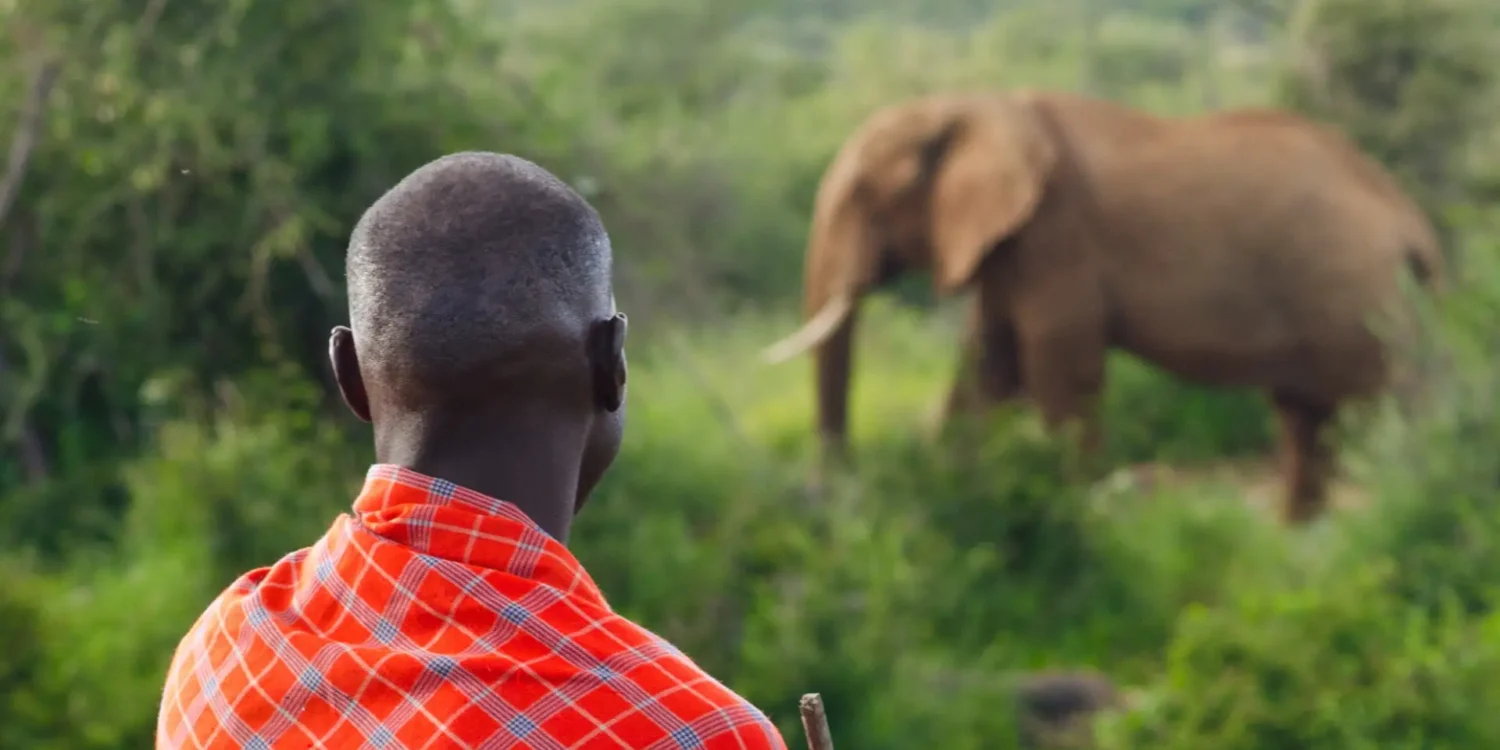
When is the best time to visit the Masai Mara?
The best time to visit the Masai Mara largely depends on the kind of safari experience you’re hoping for. The region is considered a year-round safari destination thanks to its rich resident wildlife and relatively stable climate. That said, the period between July and October is widely regarded as the prime time to visit, as this is when the Great Migration typically reaches the Mara, filling the plains with vast herds of wildebeest and zebras and creating unforgettable predator–prey encounters.
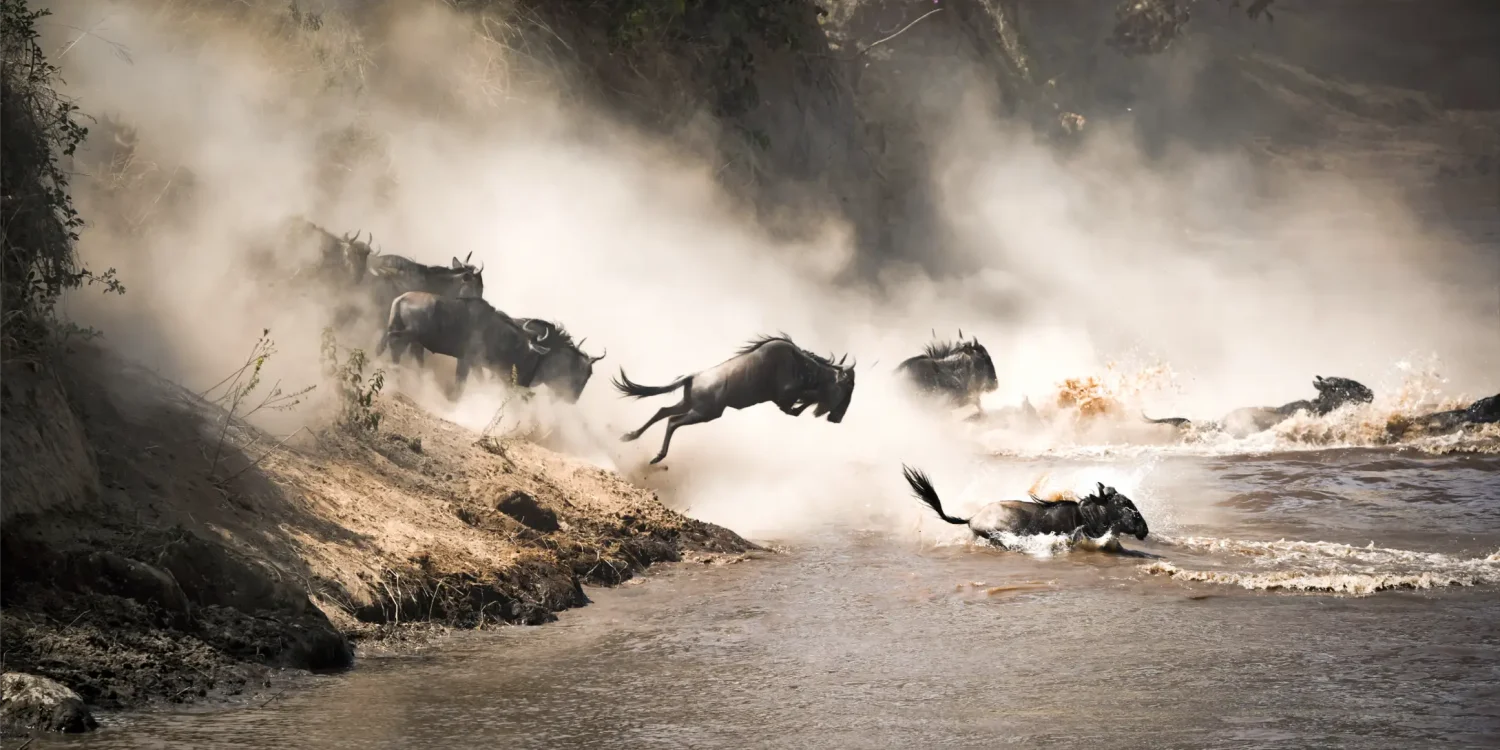
During these peak migration months, you’ll have the highest chance of witnessing the Mara River crossings, where thousands of wildebeest plunge into crocodile-filled waters in one of nature’s most dramatic spectacles. The weather is generally dry, vegetation is lower, and wildlife is easier to spot, making it especially appealing for first-time visitors and photographers.
However, visiting outside the migration also has its advantages. The short dry season from January to March offers excellent game viewing with fewer crowds. In contrast, the green season from November to December and April to May transforms the landscape into a lush, vibrant setting, making this an ideal time for birdwatching, photography, and quieter, more exclusive safaris. Ultimately, the “best time” comes down to your priorities: the thrill of the migration, calmer game drives, or dramatic seasonal scenery.
What are the top places to see the Great Migration?
The Great Migration moves in a broad, circular pattern, and the herds typically enter the Masai Mara between July and October, following the rains and fresh grazing. While the exact timing varies year to year, several key locations consistently offer the best chances to witness dramatic river crossings and dense wildlife activity.
Mara River (main crossing points)
The most iconic scenes of the migration unfold along the Mara River, where thousands of wildebeest and zebras gather nervously before plunging into the fast-flowing water. Key crossing points, such as those near Lookout Hill, Kichwa Tembo, and Mara Serena, are famous for their action-packed sightings. This is where you’ll often witness crocodile encounters, chaotic stampedes, and unforgettable photographic moments.
Sand River
Situated in the far southeast of the reserve, the Sand River is one of the first major entry points for herds arriving from the Serengeti. Crossings here are typically quieter and more intimate than those on the Mara River, making it a favorite among photographers and travelers who prefer to avoid the crowds.
Talek River
The Talek River offers several smaller, yet equally fascinating, crossing sites. The surrounding region has high predator densities, so even when crossings aren’t happening, you’re likely to see big cats following the herds.
The Mara Triangle
This protected section of the reserve, west of the Mara River, is known for excellent viewing during peak migration months. Its open plains provide sweeping views of the approaching herds, and many river crossings occur along its western banks. The Triangle is also less trafficked than the central reserve, offering a more exclusive feel.
Olare Motorogi, Naboisho, and other conservancies
The private conservancies bordering the Masai Mara might not host major river crossings, but they offer exceptional migration viewing. As the herds spread out across the ecosystem, these conservancies offer quieter, off-road game drives with abundant predators, excellent guiding, and fewer vehicles, providing an ideal setting for a more immersive safari experience.
We possess in-depth knowledge of the best places to witness the Great Migration, providing an unparalleled way to experience this epic wildlife spectacle.
Seasonal wildlife in the Masai Mara
While the Great Migration is undoubtedly a highlight of the Masai Mara, the vast savannahs also offer exceptional experiences all year round. However, the character of the experience shifts noticeably between the dry and wet seasons, with each season bringing its own wildlife patterns, predator dynamics, and natural atmosphere.
Masai Mara dry season (July-October and January-March)
During the dry months, wildlife is highly concentrated around the Mara River, the Talek River, and the remaining waterholes scattered across the plains. As vegetation thins out and water becomes scarce, animals become easier to find and often gather in impressive numbers. This is also when predator activity is at its peak, as lions, leopards, and cheetahs take advantage of the open terrain and the increased movement of prey animals.
The arrival of the Great Migration, which takes place between July and October, amplifies the wildlife drama, drawing vast herds of wildebeest and zebras into the ecosystem. Their presence naturally attracts predators, creating intense scenes of hunts, chases, and daily survival. Even outside the migration months, the dry season remains one of the best times to spot the Big Five, with elephants and buffalo frequently seen in large herds and rhinos more easily located in the open.
Wet season (November to December, and April to May)
When the rains arrive, the Masai Mara undergoes a beautiful transformation. The landscape turns lush and green, providing abundant grazing for herbivores that spread out across the plains. This is the time of year when many antelope species give birth, resulting in an influx of adorable newborns and heightened predator interactions. Lions and cheetahs often capitalize on the vulnerability of the young, making this a particularly fascinating period for observing natural behavior.
Birdlife also flourishes during the wet season. The arrival of migratory species, combined with the resident bird population, creates exceptional opportunities for birdwatchers. With more than 450 species recorded in the Mara, the wet months bring an added layer of richness and diversity to the ecosystem.
Luxury safari highlights and lodges
The Masai Mara’s exclusive camps and luxury lodges ensure a safari that is not only deeply personal but truly luxurious. Many are set in private conservancies such as Olare Motorogi, Naboisho, and Mara North, where guest numbers are strictly limited and off-road driving is allowed. This creates an exceptionally immersive environment, where you can follow predators more closely, enjoy uninterrupted sightings, and return to a peaceful retreat far removed from the crowds.
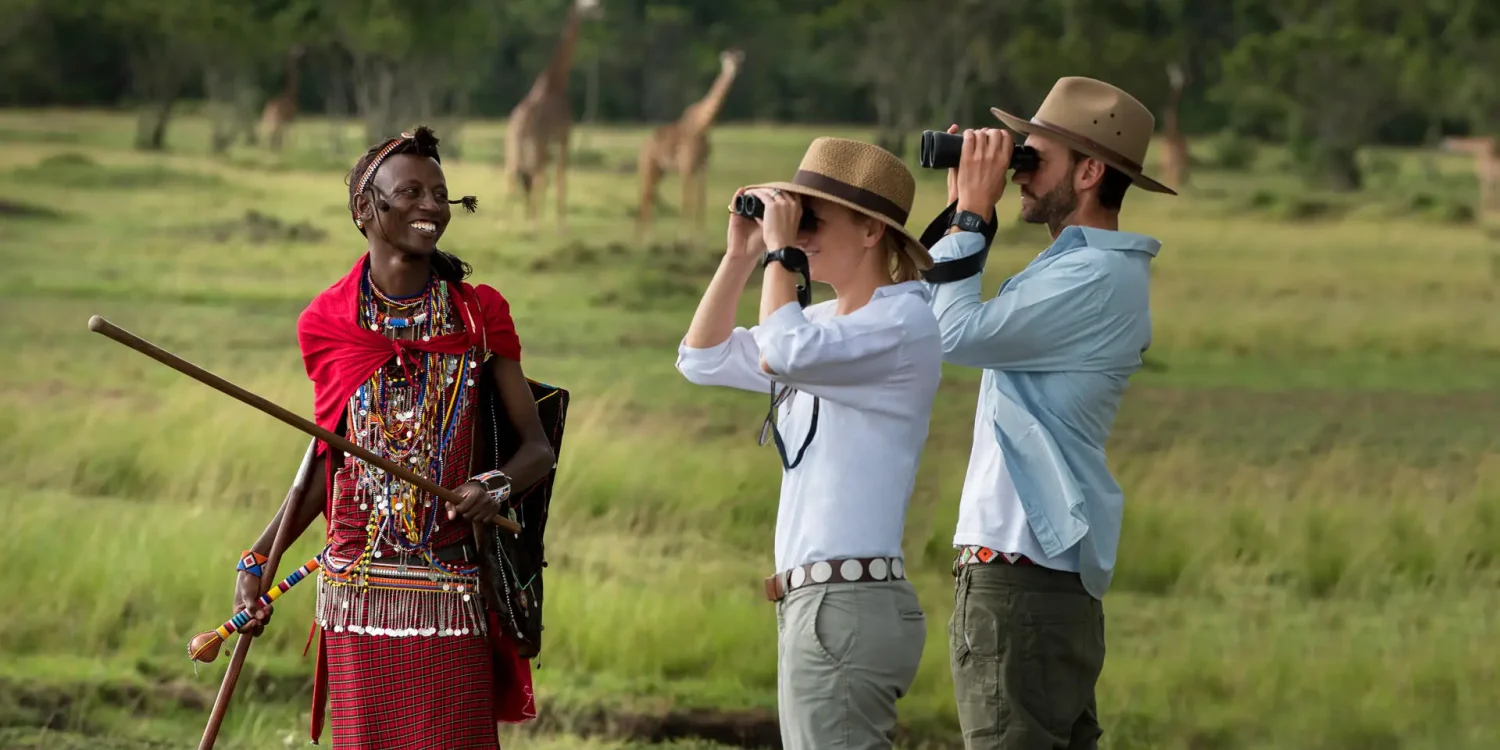
Immerse yourself in unique safari experiences rarely available in the main reserve. Sunrise hot-air balloon flights that drift silently over the plains, offering breathtaking views of elephants, giraffes, and the winding Mara River below. Bush breakfasts, guided walking safaris, and visits to local Maasai communities add cultural depth and variety to the experience. In the conservancies, night drives are another highlight, revealing nocturnal wildlife such as aardvarks, bat-eared foxes, and lions on the hunt, an entirely different side of the Mara that most travelers never see.
As a leading luxury travel company, we unlock rare access to the Masai Mara’s most exclusive luxury camps and lodges, each handpicked and vetted by our travel designers. We only work with accommodation providers who offer uncompromising levels of service, discretion, and luxury, ensuring an exceptional safari experience.
For travelers seeking both adventure and refined comfort, the Masai Mara’s luxury lodges and exclusive experiences deliver a truly unforgettable journey into Africa’s wild heart.
Ethical Maasai cultural encounters
A visit to the Masai Mara is enriched not only by its wildlife but also by the presence of the Maasai people, whose deep connection to the land has shaped the region for centuries.
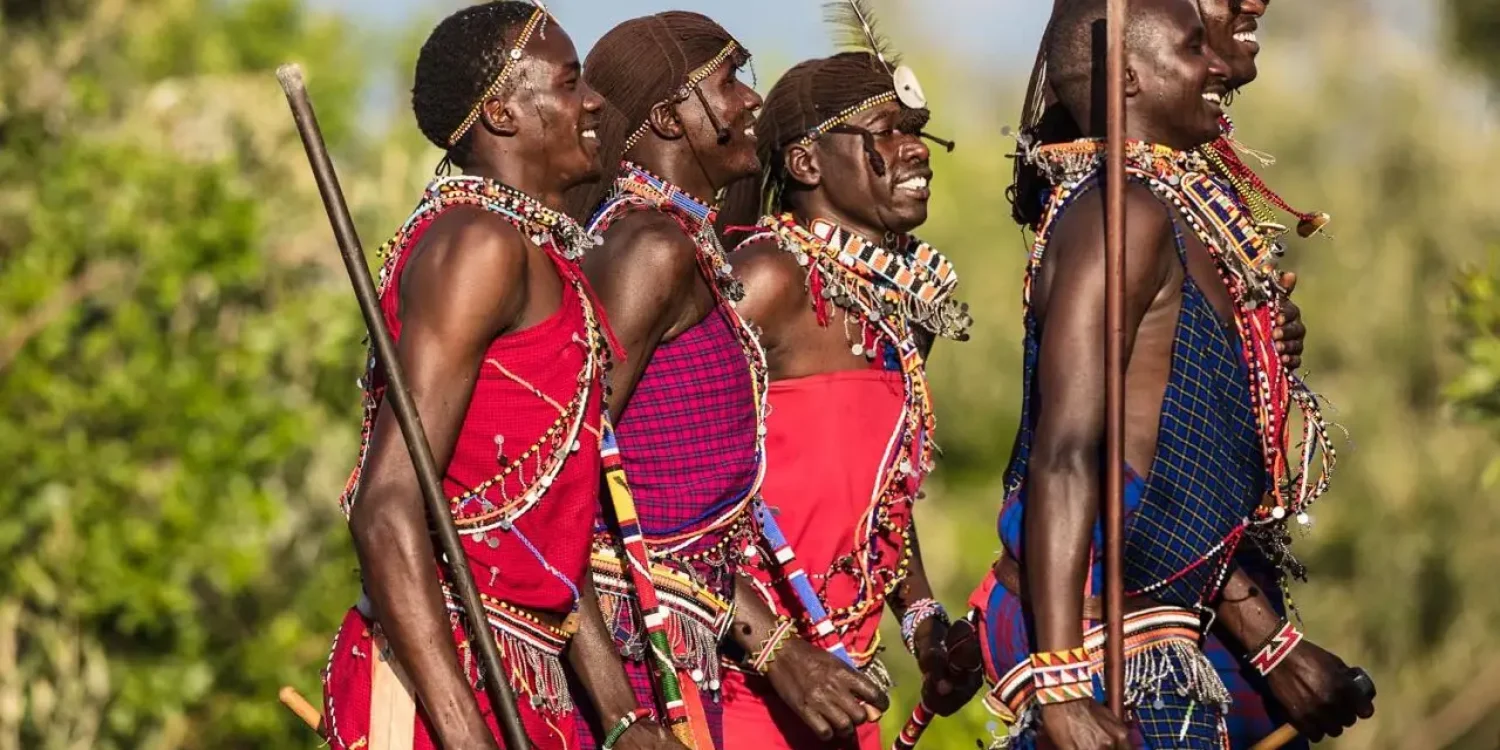
We create bespoke itineraries that can include ethical visits with Maasai tribes, where you can learn about traditional pastoral life, age-old customs, and the community’s role in modern conservation. These encounters often include demonstrations of traditional dances, insights into daily routines, and conversations that offer a more meaningful understanding of life in this iconic landscape.
We always prioritize ethical, community-supportive experiences, partnering directly with local villages to ensure visits are respectful, non-intrusive, and beneficial to the community. These collaborations help fund schools, healthcare, and conservation initiatives, while providing you with a genuine, uncommercialized glimpse into Maasai culture.
Start planning your safari to the Masai Mara
If you are longing to feel the thrill of the plains, to wake at dawn to the roar of lions, and to witness the Great Migration from the banks of the Mara, now is your moment. We design luxury safari experiences for the bold and discerning, where every detail is tailored to your spirit of adventure.
Contact a travel designer to begin your bespoke Masai Mara journey and secure your place among one of Africa’s wildest and most thrilling landscapes.
Curated Packages
Signature journeys across Africa
Our expert team crafts journeys that transcend luxury. Each itinerary is shaped by the spirit of the land and the wisdom of its people — opening doors to experiences few can imagine, and even fewer will ever access.
Year Round
|
11 DAYS
Adventure and Exploration in the Seychelles
All Year Round
|
12 DAYS
Culinary Journey to Morocco
All Year Round
|
6 DAYS
Luxury Morocco Vacation
All Year Round
|
16 DAYS
Ultimate East Africa Safari
15 June - 15 November
|
7 DAYS
Luxury Tented Safari in Tanzania
All Year Round
|
13 DAYS
Amboseli, Lewa and Masai Mara Safari
Year Round
|
10 DAYS
Natural East Africa Wonders Safari
June - Sept
|
11 DAYS
Uganda Done Right
All year round
|
12 DAYS
Luxury Family Safari: South Africa & Victoria Falls
All Year Round
|
13 DAYS
Elements of Southern Africa: A Curated Safari
Jan, Feb, Jun – Sept
|
5 DAYS
Mountain Gorilla Trekking in Rwanda
All Year Round
|
17 DAYS
Southern Africa: Framed and Untamed
All Year Round
|
7 DAYS
Chobe River Cruise & Okavango Delta Safari
All Year Round
|
10 DAYS
Luxury Tanzania Honeymoon LuxVenture®
March to June
|
10 DAYS
Zimbabwe Victoria Falls & Safari LuxVenture®
All year round
|
9 DAYS
9-day Victoria Falls to Botswana Luxury Safari
April-October
|
10 DAYS
Best of Botswana Safari
All Year Round
|
10 DAYS
The Active Africa Circuit – A Luxury Sport Safari
May-October
|
8 DAYS
Luxury Treehouse Safari to Botswana LuxVenture®
All Year Round
|
10 DAYS
The Luxury of Time – Botswana Unhurried
June – October
|
18 DAYS
Tanzania and Seychelles Luxury Safari
All Year Round
|
10 DAYS
Botswana & Victoria Falls Adventure
June-February
|
13 DAYS
A Cultural Safari Tanzania Zanzibar
All Year Round
|
17 DAYS
Luxury Mauritius & South Africa Experience
June-October
|
10 DAYS
Electric Vehicle Safari in Kenya
All year round
|
9 DAYS
Beaches of Seychelles Vacation
June-October
|
8 DAYS
Tanzania Northern Circuit Safari
Year Round
|
15 DAYS
The Ultimate Southern Africa Bush & Beach
All Year Round
|
11 DAYS
Luxury Safari in Zambia
June-October
|
9 DAYS
The Great Wildebeest Migration Safari in Tanzania
May - October
|
10 DAYS
South Luangwa Walking Safari
Year Round
|
18 DAYS
Southern Africa Luxury Bush & Beach Escape
All Year Round
|
14 DAYS
Southern Africa’s Finest: SA, Victoria Falls & Botswana
All Year Round
|
9 DAYS
‘Out of Africa’ Safari in Kenya
May - October
|
12 DAYS
The Shape of Namibia – Luxury Namibia Safari
Set Departure 2027
|
12 DAYS
The Great Egyptian Eclipse
July-September
|
6 DAYS
Horseback Safari in Kenya
All Year Round
|
14 DAYS
Luxury South Africa and Mozambique Honeymoon
Jan, Feb, Jun – Sept
|
13 DAYS
Gorilla Trekking, Ngorongoro Crater & Serengeti
All Year Round
|
12 DAYS
Tanzania and Zanzibar Safari
June-October
|
7 DAYS
African Wild Dog Safari
June - Sept
|
8 DAYS
Rivers & Rainforests: A Ugandan Safari
June - Sept
|
15 DAYS
Gorillas & Big Five Safari Adventure
All Year Round
|
11 DAYS
Cape Town Safari & Whale Coast Adventure
All Year Round
|
9 DAYS
Luxury Adventure through Namibia
Feb – May, Sep – Dec
|
10 DAYS
Luxury Journey Through Morocco
Year Round
|
11 DAYS
Luxury Seychelles Honeymoon and Couples Vacation
All Year Round
|
12 DAYS
South Africa Art, Wine & Wilderness Safari
All Year Round
|
8 DAYS
Luxury Kenya Safari
June-August
|
12 DAYS
Rovos Rail and Zambezi River Escape
All Year Round
|
8 DAYS
Best of Egypt LuxVenture®
All Year Round
|
10 DAYS
Africa Safari: Uganda & Zambia’s Great Waterways
All Year Round
|
12 DAYS
Tanzania & Zanzibar Honeymoon Safari
All Year Round
|
8 DAYS
Luxury Namibia Safari
All Year Round
|
11 DAYS
Luxury Egypt Experience
May to October
|
8 DAYS
Mad Max Safari Adventure
March-December
|
10 DAYS
Luxury Private Safari in Zambia
All Year Round
|
13 DAYS
Elephant Safari in South Africa, Victoria Falls & Botswana
Dec – Mar
|
7 DAYS
Wildebeest Calving Season Safari
All Year Round
|
9 DAYS
Botswana Okavango Honeymoon LuxVenture®
June-October
|
9 DAYS
Sub Saharan Kenya Safari Experience
11 - 20 May 2027
|
10 DAYS
The African Table: A Culinary Safari
All Year Round
|
Day Trip to Antarctica LuxVenture®
All Year Round
|
10 DAYS
Tanzania & Zanzibar Family Holiday
All Year Round
|
7 DAYS
Luxury Gorilla Trekking Safari in Rwanda
All Year Round
|
10 DAYS
Cairo + Luxury Nile Cruise
May to October | November to April
|
11 DAYS
Spirit of Zambia Safari
All Year Round
|
12 DAYS
Stargazing Desert Safari in Namibia
All Year Round
|
11 DAYS
Wild Hearts, Island Dreams: Luxury Safari Tanzania and Zanzibar
Year Round
|