
Understanding the Greater Kruger Safari Experience

Written by
Ker & Downey® Africa
Timbavati vs Sabi Sands vs Private Concessions
The term “Kruger” is often used as shorthand for a South African safari. In reality, it covers a far more varied landscape than most travelers realize.
What many people refer to simply as “Kruger” is actually a network of private reserves and concessions connected to Kruger National Park itself. The fences between these regions have long been removed, allowing wildlife to move freely across an enormous ecosystem supporting hundreds of mammal, bird, reptile, and plant species, including the Big Five.
The animals may be shared. The safari experience is not. Some regions are quieter and more traditional. Others are polished and highly sighting-focused. Some lean into privacy, design, and a greater sense of scale. Understanding those differences is what shapes the right safari, particularly for travelers investing significant time and money into the experience.
Three regions stand out consistently within the Greater Kruger: Timbavati Private Nature Reserve, Sabi Sand Game Reserve, and the private concessions located within Kruger National Park itself. Each offers something distinct.
Timbavati Private Nature Reserve: A quieter, more grounded safari
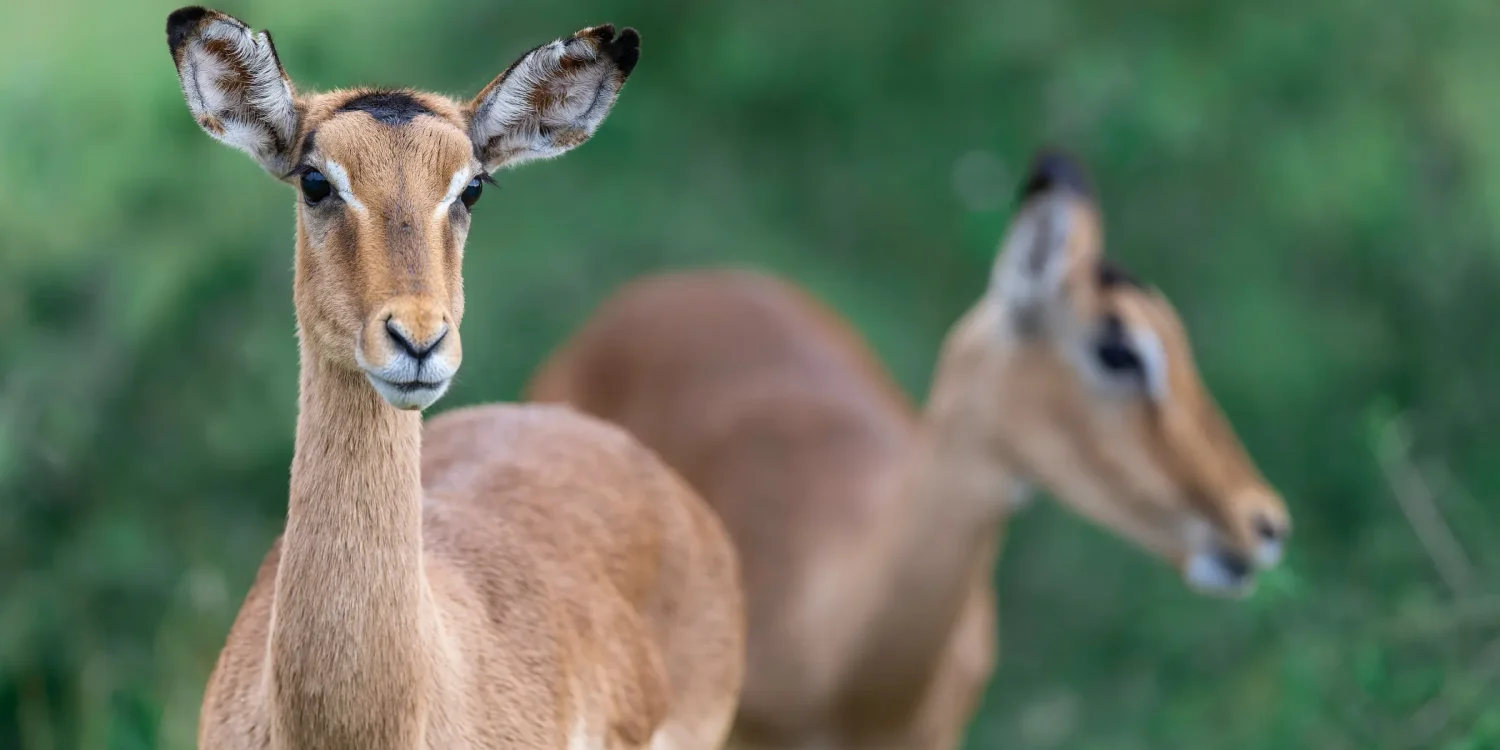
Timbavati sits along the western boundary of Kruger National Park and remains one of the most respected private reserves within the Greater Kruger ecosystem.
There is a noticeable sense of space here. With only a small number of lodges spread across a vast reserve, sightings tend to feel less crowded and more natural. Vehicles are fewer, the pace slower, and guiding often revolves around tracking rather than simply moving between known wildlife locations.
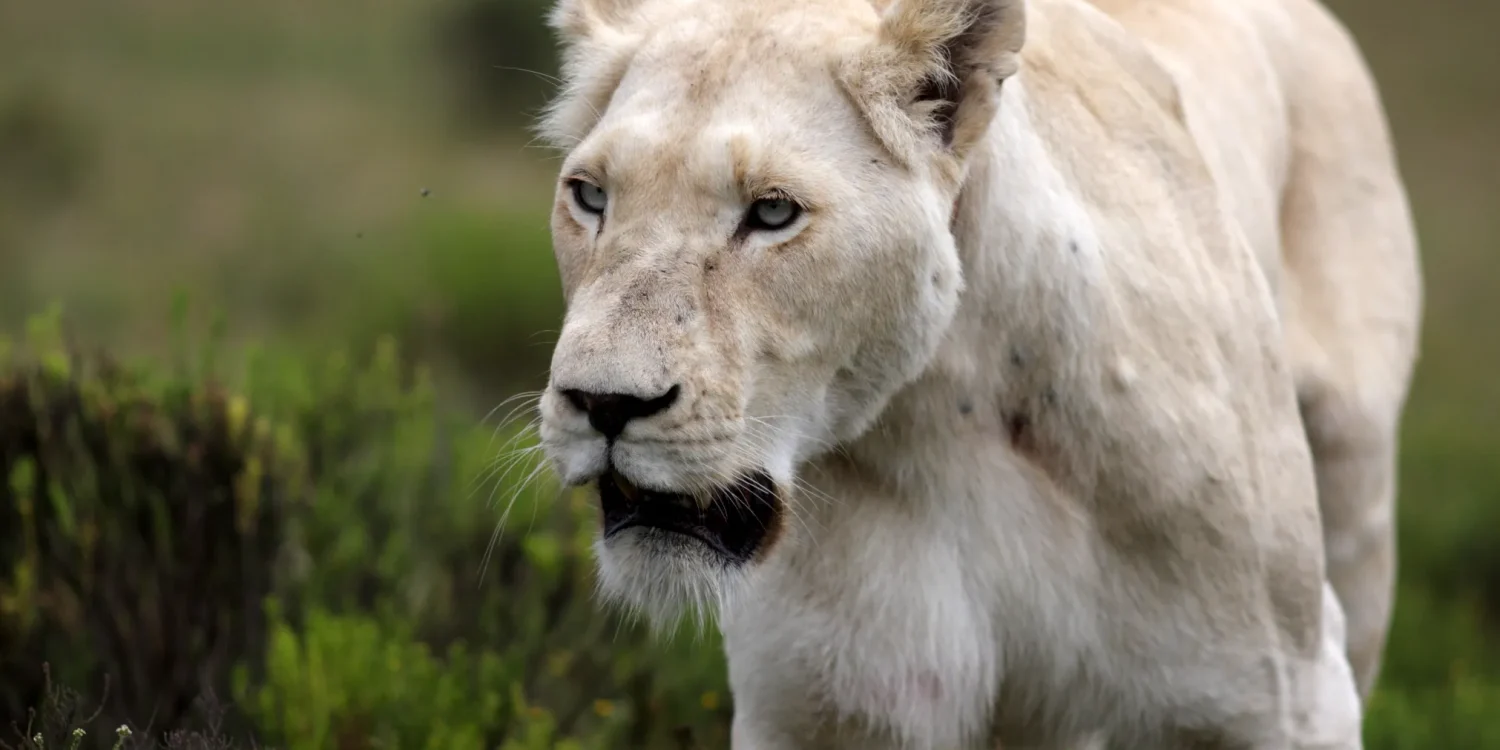
For many experienced safari travelers, this is precisely the appeal. Timbavati is also strongly conservation-driven, balancing low-density tourism with meaningful ecological protection. The reserve is particularly known for its rare white lions, whose genetic coloration originates naturally within the region. Sightings remain uncommon enough to feel genuinely special rather than expected.
The landscape itself is beautiful in a quieter way. Open savannah, riverbeds, and scattered woodland create a classic safari setting without the intensity sometimes associated with busier reserves.
Accommodation ranges from understated luxury camps to more contemporary lodges, though even the higher-end properties tend to retain a relaxed, bush-focused atmosphere rather than overt glamour.
Access is typically via Hoedspruit Airport, with many lodges also making use of private airstrips for light aircraft arrivals.
Safari here tends to suit travelers who value time in the bush as much as the sightings themselves.
Did you know?
The name Timbavati is widely believed to reference the abundance of bushbuck historically found in the region, and the reserve remains one of the quieter corners of the Greater Kruger despite its exceptional wildlife density.
Sabi Sand Game Reserve: Where wildlife visibility becomes the focus
If Timbavati feels quieter and more organic, Sabi Sands is often where safari becomes most immediately rewarding.
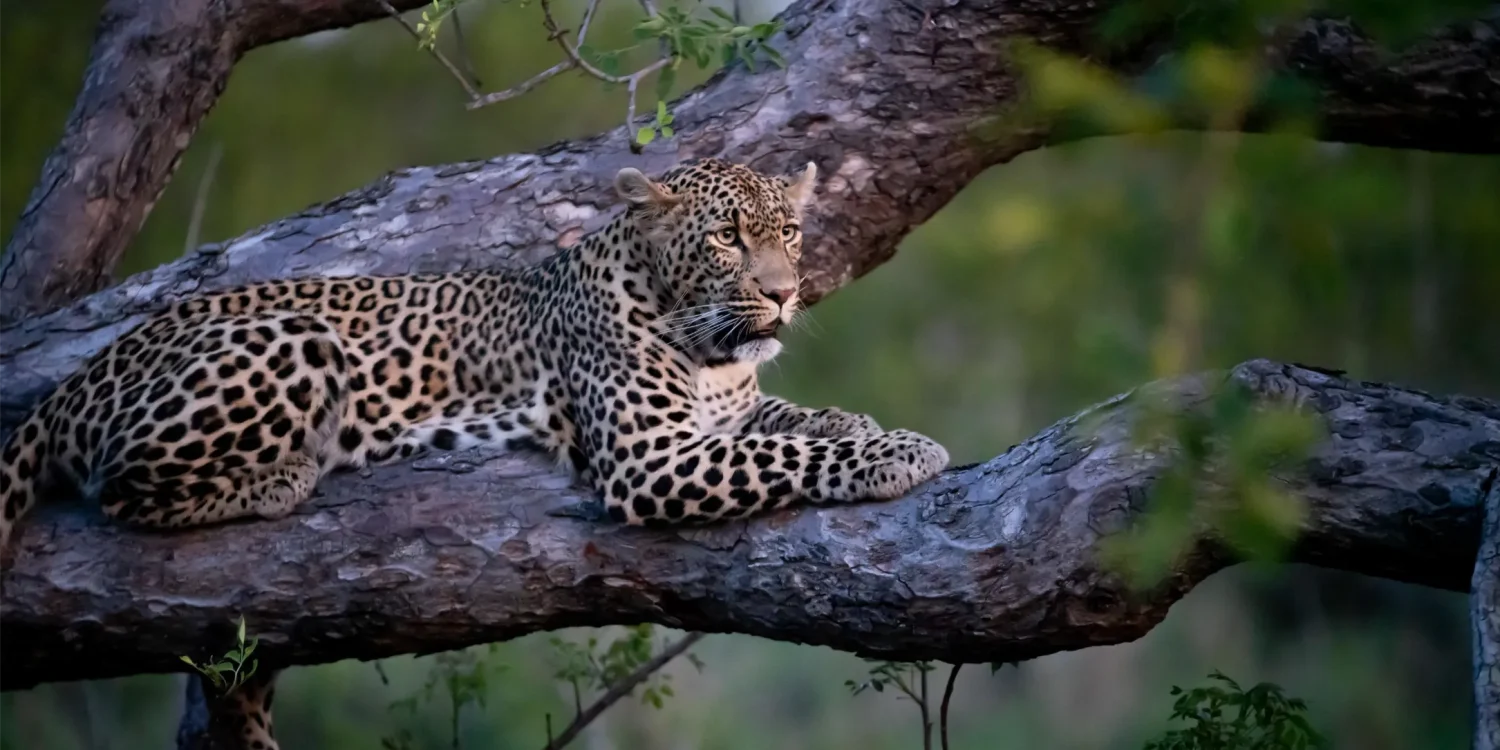
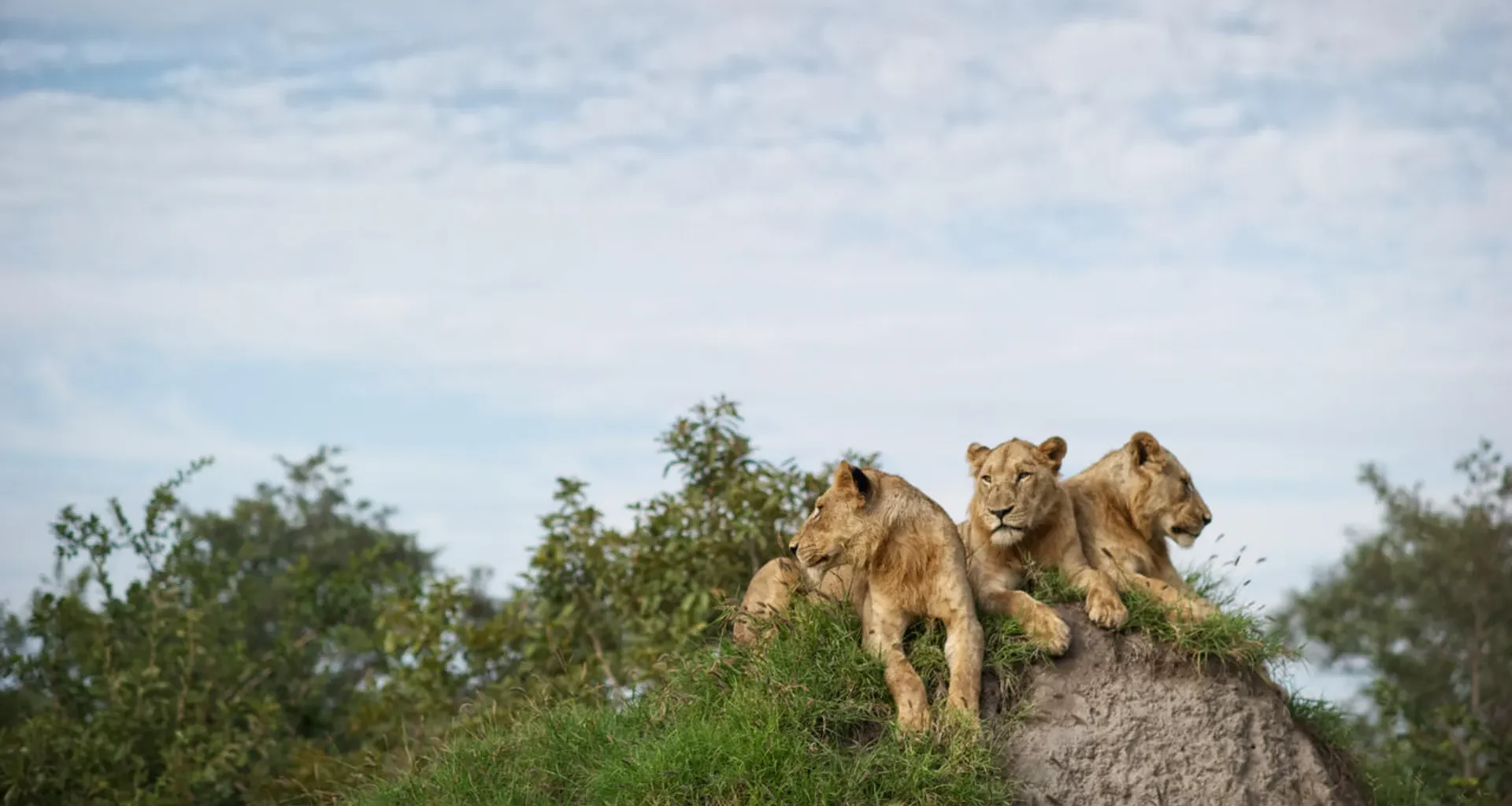
Bordering the southern section of Kruger National Park, Sabi Sand Game Reserve has built a global reputation for extraordinarily consistent game viewing, particularly when it comes to leopards. There are several reasons for this. The reserve’s long-established guiding culture, dense wildlife populations, and extensive traversing network all contribute to sightings that are often remarkably close and prolonged.
For first-time safari travelers, this can be transformative. Leopard sightings that might require patience elsewhere are relatively common here, and predators are frequently encountered during both morning and evening drives.
The luxury offering in Sabi Sands is also among the strongest in Africa. Many of the continent’s most iconic safari lodges are based here, combining high levels of comfort with sophisticated guiding and hospitality.
This does create a slightly different atmosphere from Timbavati. There is often more vehicle activity around sightings, although strict reserve regulations still govern the experience carefully.
For travelers prioritizing wildlife visibility, comfort, and a seamless safari flow, Sabi Sands remains one of the strongest choices anywhere in Africa.
Did you know?
Sabi Sands shares an unfenced boundary with Kruger National Park, allowing wildlife to move freely between the two regions while maintaining private reserve exclusivity and controlled vehicle numbers.
Private Kruger Concessions: Space, privacy, and a different rhythm
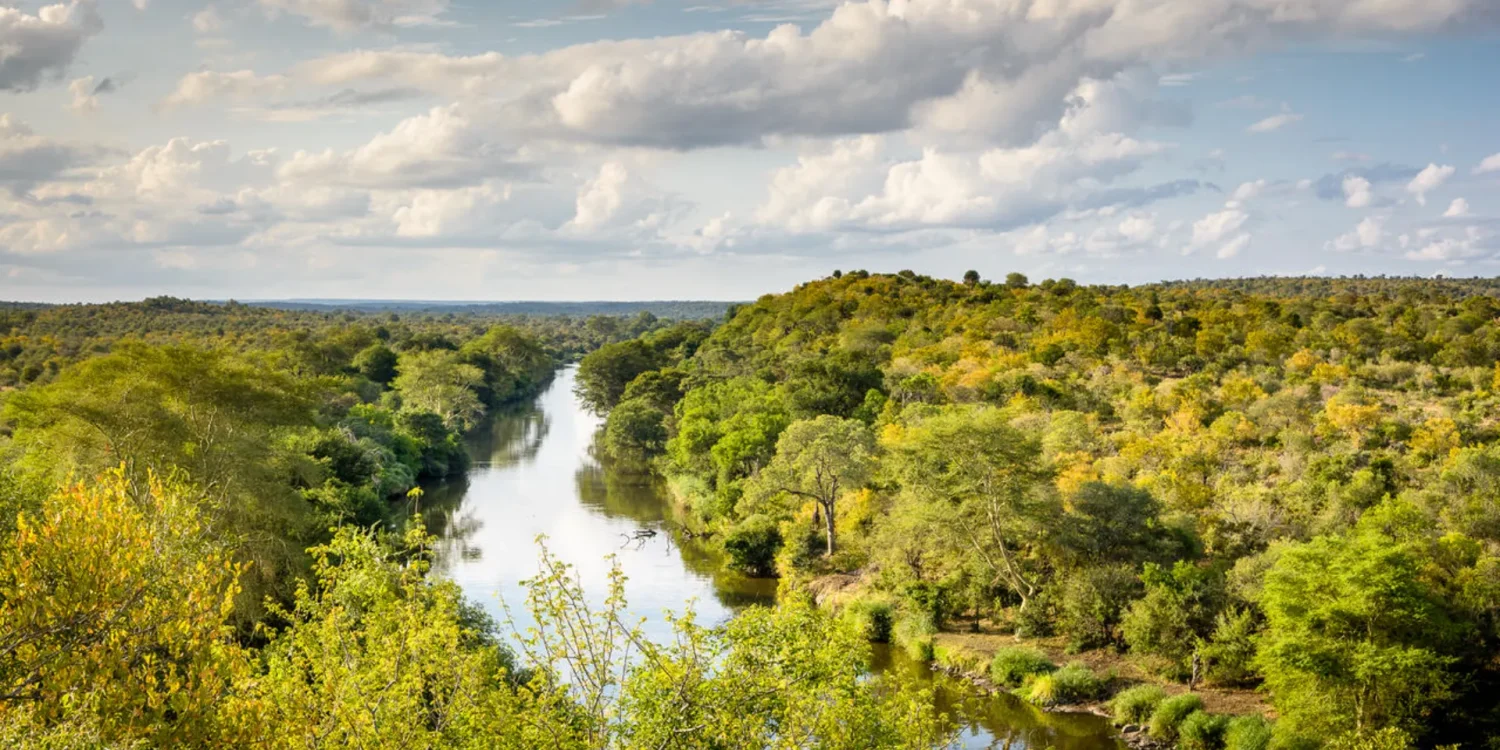
Private concessions inside Kruger National Park offer another perspective entirely.
Unlike the surrounding private reserves, these concessions operate within the national park itself, occupying large, privately managed areas leased from the park authorities. The result is a safari that often feels more expansive and more remote.
Vehicle density is typically very low, and there is a noticeable shift in atmosphere. Drives can feel slower, sightings more private, and the landscape itself takes on greater importance.
This is not necessarily about seeing more wildlife than elsewhere. It is about how the experience unfolds.
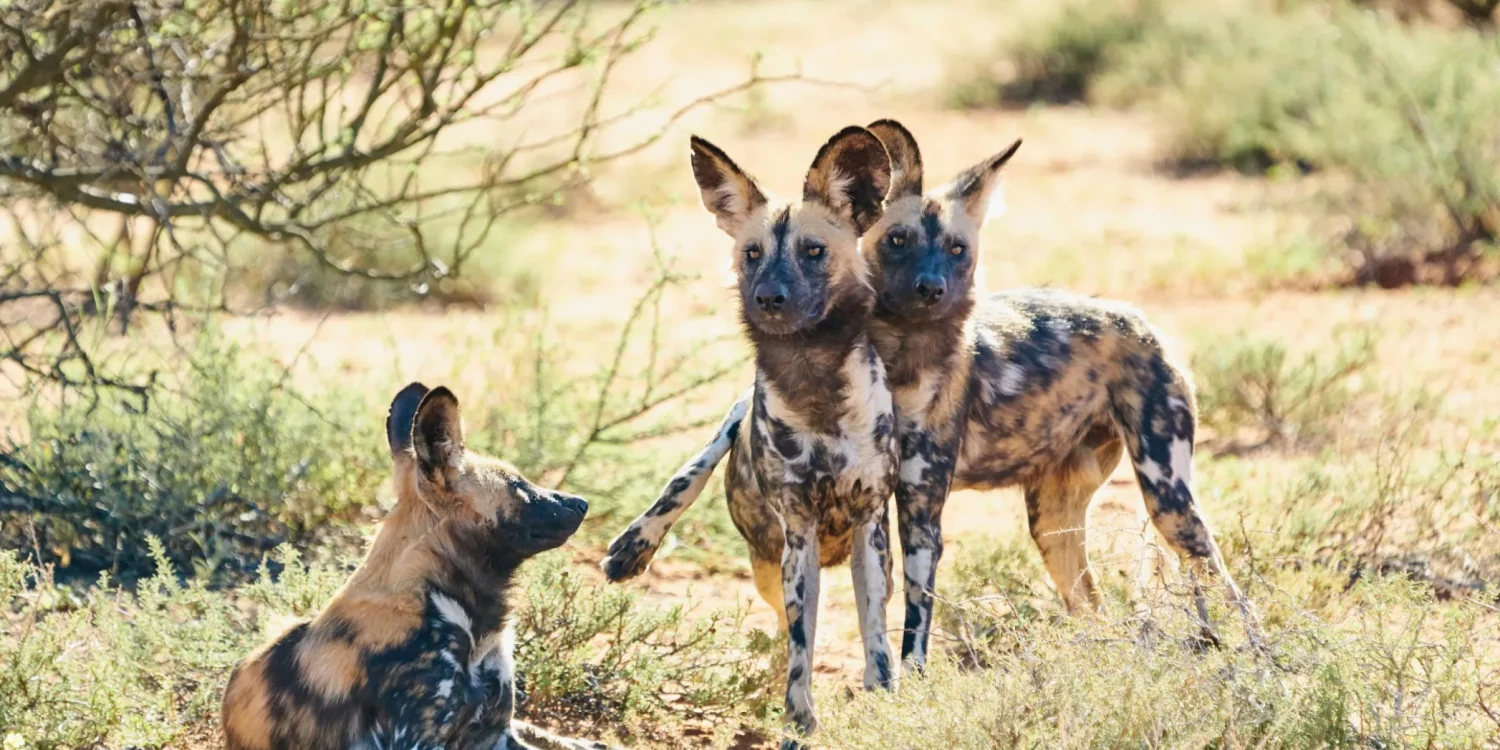
Concessions such as those operated by Singita and Lion Sands are known for exceptional predator density, including strong lion and wild dog sightings. Night drives and guided walks add another dimension to the safari, allowing guests to experience the ecosystem beyond traditional game drives.
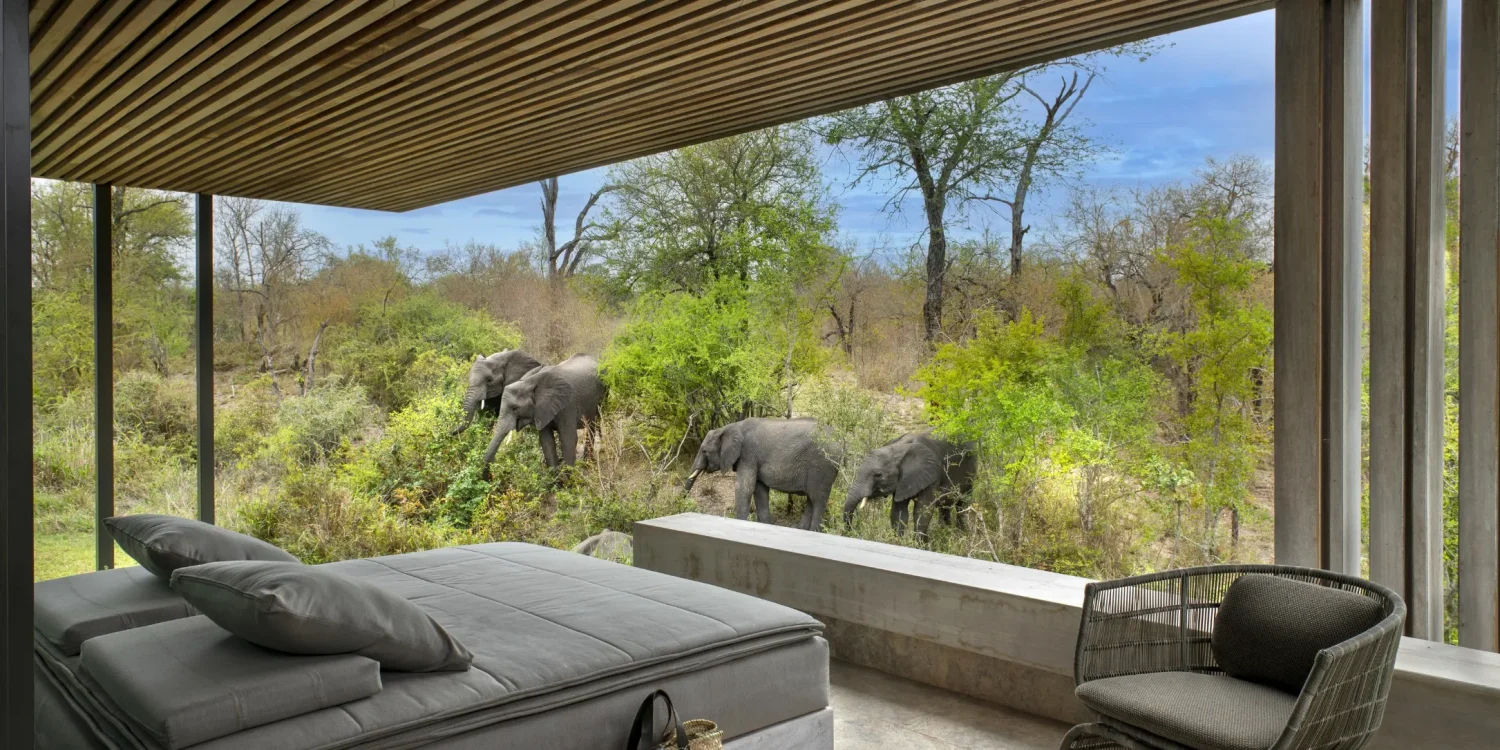
The scale of these concessions also allows for a more contemporary interpretation of safari. Architecture, design, wellness, and privacy often play a larger role here, attracting travelers who want the wilderness experience without sacrificing refinement.
For many guests, this balance between wilderness and exclusivity becomes the defining feature of the stay.
Did you know?
Some private concessions are large enough that guests can spend extended periods in the bush without encountering another vehicle, creating an experience that feels markedly different from more traditional safari circuits.
Why safari style matters
One of the biggest misconceptions about the Greater Kruger is that all safaris within the ecosystem feel broadly the same. They do not.
A traveler focused on photography may thrive in Sabi Sands, where consistent leopard sightings and experienced trackers create exceptional photographic opportunities. Someone looking for a quieter, more traditional safari may feel far more connected to Timbavati. Others may prioritize privacy, architecture, or exclusivity, making a private concession the stronger fit.
The difference lies less in the wildlife itself and more in the rhythm of the experience.
That is why reserve selection matters so much.
Combining regions for a more complete safari
One of the most rewarding ways to experience the Greater Kruger is by combining two different regions within a single itinerary.
A few nights in Timbavati followed by time in Sabi Sands or a private concession creates contrast, allowing travelers to experience different guiding styles, landscapes, and safari atmospheres within the same ecosystem.
Thanks to light aircraft connections and regional airstrips, these combinations are remarkably seamless.
Where time allows, we generally recommend spending two to three nights in each region. This creates a more layered understanding of the Greater Kruger while allowing enough time to settle into the rhythm of each reserve properly.
Choosing the right Greater Kruger safari
There is no single “best” reserve within the Greater Kruger. Only the one that best reflects how someone wants to experience safari.
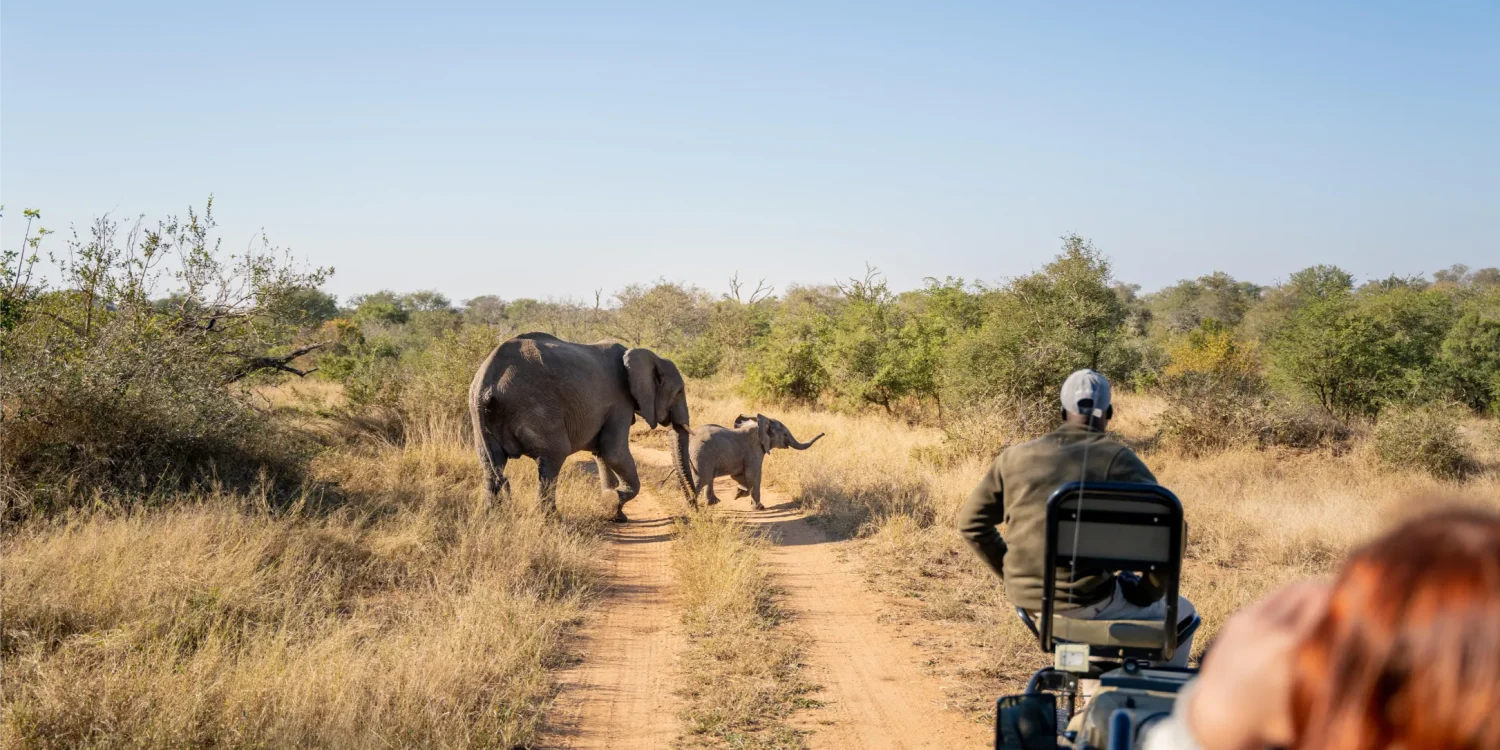
Some travelers want exceptional sightings and ease. Others are looking for quiet, immersion, or a stronger sense of wilderness. Some want design-led luxury and complete privacy. Others simply want time in the bush that feels authentic and unhurried.
At Ker & Downey® Africa, that distinction shapes every safari we design. Because choosing where to stay in the Greater Kruger is never just about geography. It is about creating the right feeling from the very beginning.
Curated Packages
Signature journeys across Africa
Our expert team crafts journeys that transcend luxury. Each itinerary is shaped by the spirit of the land and the wisdom of its people — opening doors to experiences few can imagine, and even fewer will ever access.
July-September
|
6 DAYS
Horseback Safari in Kenya
All Year Round
|
8 DAYS
Best of Egypt LuxVenture®
All Year Round
|
7 DAYS
Luxury Gorilla Trekking Safari in Rwanda
All Year Round
|
13 DAYS
Amboseli, Lewa and Masai Mara Safari
Dec – Mar
|
7 DAYS
Wildebeest Calving Season Safari
All Year Round
|
12 DAYS
Culinary Journey to Morocco
June-August
|
12 DAYS
Rovos Rail and Zambezi River Escape
11 - 20 May 2027
|
10 DAYS
The African Table: A Culinary Safari
All Year Round
|
14 DAYS
Luxury South Africa and Mozambique Honeymoon
June-February
|
13 DAYS
A Cultural Safari Tanzania Zanzibar
All Year Round
|
13 DAYS
Elements of Southern Africa: A Curated Safari
Year Round
|
8 DAYS
African Wild Dog Safari in Zimbabwe
All Year Round
|
11 DAYS
Luxury Egypt Experience
Jan, Feb, Jun – Sept
|
13 DAYS
Gorilla Trekking, Ngorongoro Crater & Serengeti
June-October
|
9 DAYS
Sub Saharan Kenya Safari Experience
All Year Round
|
10 DAYS
Botswana & Victoria Falls Adventure
All Year Round
|
6 DAYS
Luxury Morocco Vacation
Year Round
|
15 DAYS
The Ultimate Southern Africa Bush & Beach
All Year Round
|
10 DAYS
Luxury Tanzania Honeymoon LuxVenture®
May to October
|
8 DAYS
Mad Max Safari Adventure
All Year Round
|
16 DAYS
Ultimate East Africa Safari
All Year Round
|
8 DAYS
Luxury Kenya Safari
All Year Round
|
9 DAYS
Botswana Okavango Honeymoon LuxVenture®
All Year Round
|
10 DAYS
Cairo + Luxury Nile Cruise
All Year Round
|
10 DAYS
Tanzania & Zanzibar Family Holiday
March-December
|
10 DAYS
Luxury Private Safari in Zambia
All Year Round
|
10 DAYS
The Luxury of Time – Botswana Unhurried
15 June - 15 November
|
7 DAYS
Luxury Tented Safari in Tanzania
May-October
|
8 DAYS
Luxury Treehouse Safari to Botswana LuxVenture®
May - October
|
10 DAYS
South Luangwa Walking Safari
All Year Round
|
17 DAYS
Luxury Mauritius & South Africa Experience
All Year Round
|
7 DAYS
Chobe River Cruise & Okavango Delta Safari
April-October
|
10 DAYS
Best of Botswana Safari
June-October
|
10 DAYS
Electric Vehicle Safari in Kenya
May to October | November to April
|
11 DAYS
Spirit of Zambia Safari
June - Sept
|
15 DAYS
Gorillas & Big Five Safari Adventure
Jan, Feb, Jun – Sept
|
5 DAYS
Mountain Gorilla Trekking in Rwanda
June-October
|
7 DAYS
African Wild Dog Safari
June-October
|
8 DAYS
Tanzania Northern Circuit Safari
All Year Round
|
17 DAYS
Southern Africa: Framed and Untamed
All Year Round
|
Day Trip to Antarctica LuxVenture®
Year Round
|
18 DAYS
Southern Africa Luxury Bush & Beach Escape
All Year Round
|
9 DAYS
‘Out of Africa’ Safari in Kenya
All Year Round
|
12 DAYS
Tanzania and Zanzibar Safari
June – October
|
18 DAYS
Tanzania and Seychelles Luxury Safari
All year round
|
9 DAYS
Beaches of Seychelles Vacation
May - October
|
12 DAYS
The Shape of Namibia – Luxury Namibia Safari
June - Sept
|
11 DAYS
Uganda Done Right
Year Round
|
11 DAYS
Luxury Seychelles Honeymoon and Couples Vacation
June - Sept
|
8 DAYS
Rivers & Rainforests: A Ugandan Safari
All year round
|
9 DAYS
9-day Victoria Falls to Botswana Luxury Safari
All Year Round
|
13 DAYS
Elephant Safari in South Africa, Victoria Falls & Botswana
All Year Round
|
11 DAYS
Luxury Safari in Zambia
June-October
|
9 DAYS
The Great Wildebeest Migration Safari in Tanzania
All Year Round
|
11 DAYS
Wild Hearts, Island Dreams: Luxury Safari Tanzania and Zanzibar
All Year Round
|
12 DAYS
South Africa Art, Wine & Wilderness Safari
Set Departure 2027
|
12 DAYS
The Great Egyptian Eclipse
All Year Round
|
14 DAYS
Southern Africa’s Finest: SA, Victoria Falls & Botswana
All Year Round
|
8 DAYS
Luxury Namibia Safari
All year round
|
12 DAYS
Luxury Family Safari: South Africa & Victoria Falls
All Year Round
|
9 DAYS
Luxury Safari in Kruger National Park & Cape Town
All Year Round
|
9 DAYS
Luxury Adventure through Namibia
Feb – May, Sep – Dec
|
10 DAYS
Luxury Journey Through Morocco
Year Round
|
11 DAYS
Adventure and Exploration in the Seychelles
All Year Round
|
10 DAYS
Africa Safari: Uganda & Zambia’s Great Waterways
All Year Round
|
12 DAYS
Stargazing Desert Safari in Namibia
All Year Round
|
10 DAYS
The Active Africa Circuit – A Luxury Sport Safari
All Year Round
|
11 DAYS
Cape Town Safari & Whale Coast Adventure
Year Round
|
10 DAYS
Natural East Africa Wonders Safari
March to June
|