
A Guide to Ethical Cultural Encounters in Africa

Written by
Ker & Downey® Africa
Africa is home to a tapestry of cultures and traditions, with thousands of tribes shaping its identity through language, art, music, and ways of life that have been passed down through generations. From the Himba of Namibia to the Maasai of Kenya and Tanzania, each community holds a unique story deeply rooted in its environment and heritage. As global interest in cultural immersion grows, so too does the responsibility of travelers to engage in ways that honor and protect these traditions.
We only organize ethical cultural encounters that offer a positive experience for both you and the tribe that you choose to visit. We care deeply about protecting Africa’s tribal communities and work to safeguard their cultural heritage, offering authentic insights into Africa’s living traditions.
Our luxury safari experiences are designed to unlock access to the heart of Africa, offering deeply engaging and educational experiences that immerse you in the extraordinary communities that have shaped the continent for centuries.
Understanding Africa’s tribal communities
Understanding the breadth of Africa’s tribal diversity is essential to appreciating its cultural richness. Each tribe tells a different story of adaptation, heritage, and identity, offering a glimpse into ways of life that continue to shape Africa today. Just some of the fascinating tribes you can meet on an ethical Ker & Downey® Africa safari include:
The Maasai tribe, Tanzania
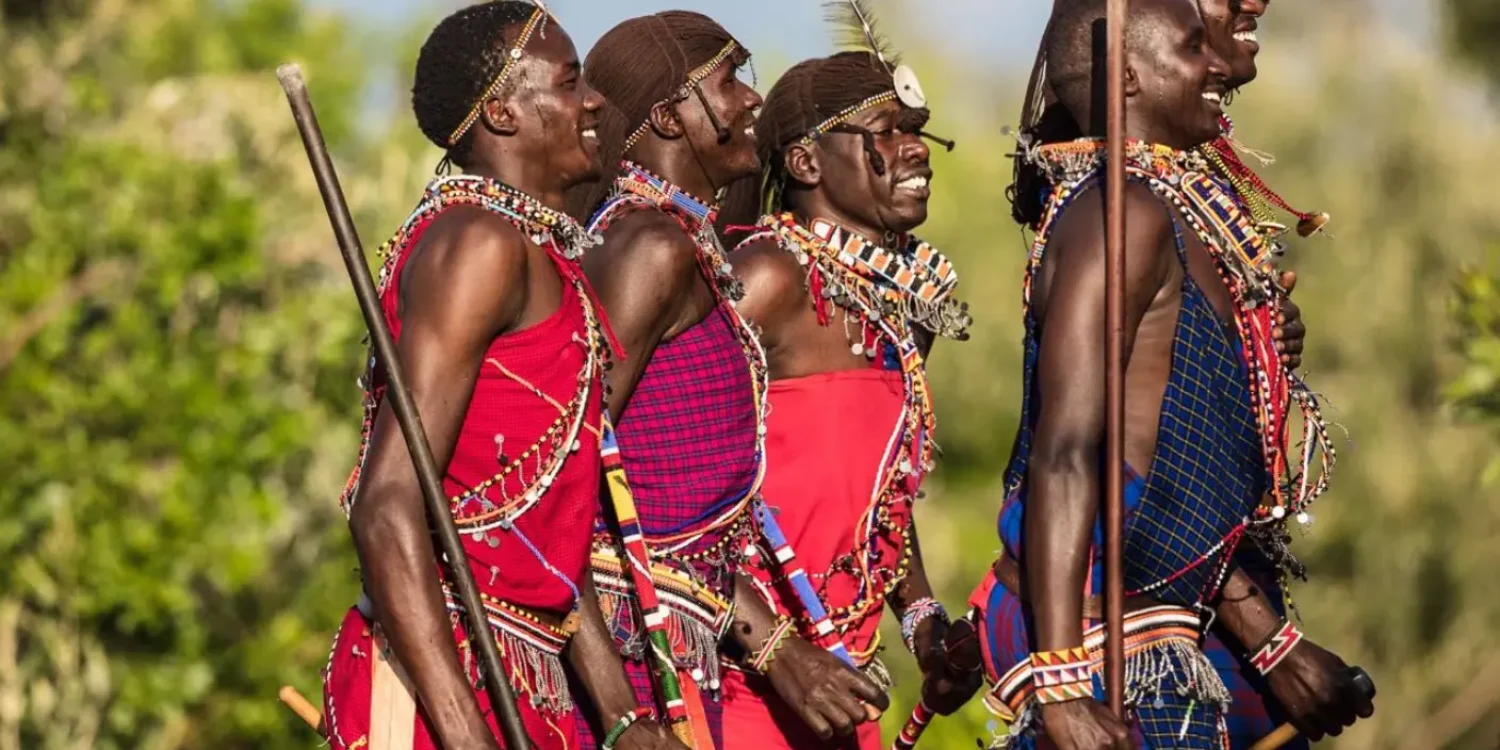
The Maasai are a semi-nomadic ethnic group native to Kenya and Tanzania. They are famed for their vibrant red shukas, intricate beadwork, and strong connection to cattle and the land. Celebrated for their warrior traditions and age-old ceremonies, the Maasai maintain a rich cultural heritage, balancing modern influences with ancestral practices passed down through the generations.
The Himba tribe, Namibia
The Himba of northern Namibia are a semi-nomadic people known for their striking ochre-colored skin and intricate hairstyles, which signify age, status, and identity. Living in harmony with the harsh desert environment, they preserve ancestral traditions, from cattle herding to distinctive beauty rituals, offering a vivid glimpse into a resilient culture that has endured for centuries.
The San Bushmen, Botswana, Namibia, & South Africa
The San Bushmen are among the world’s oldest continuous cultures. Renowned for their expert tracking skills, intimate knowledge of the Kalahari Desert, and rich oral traditions, they maintain a deep connection to the land, passing down survival techniques, storytelling, and traditional practices that have endured for thousands of years.
The Zulu tribe, South Africa
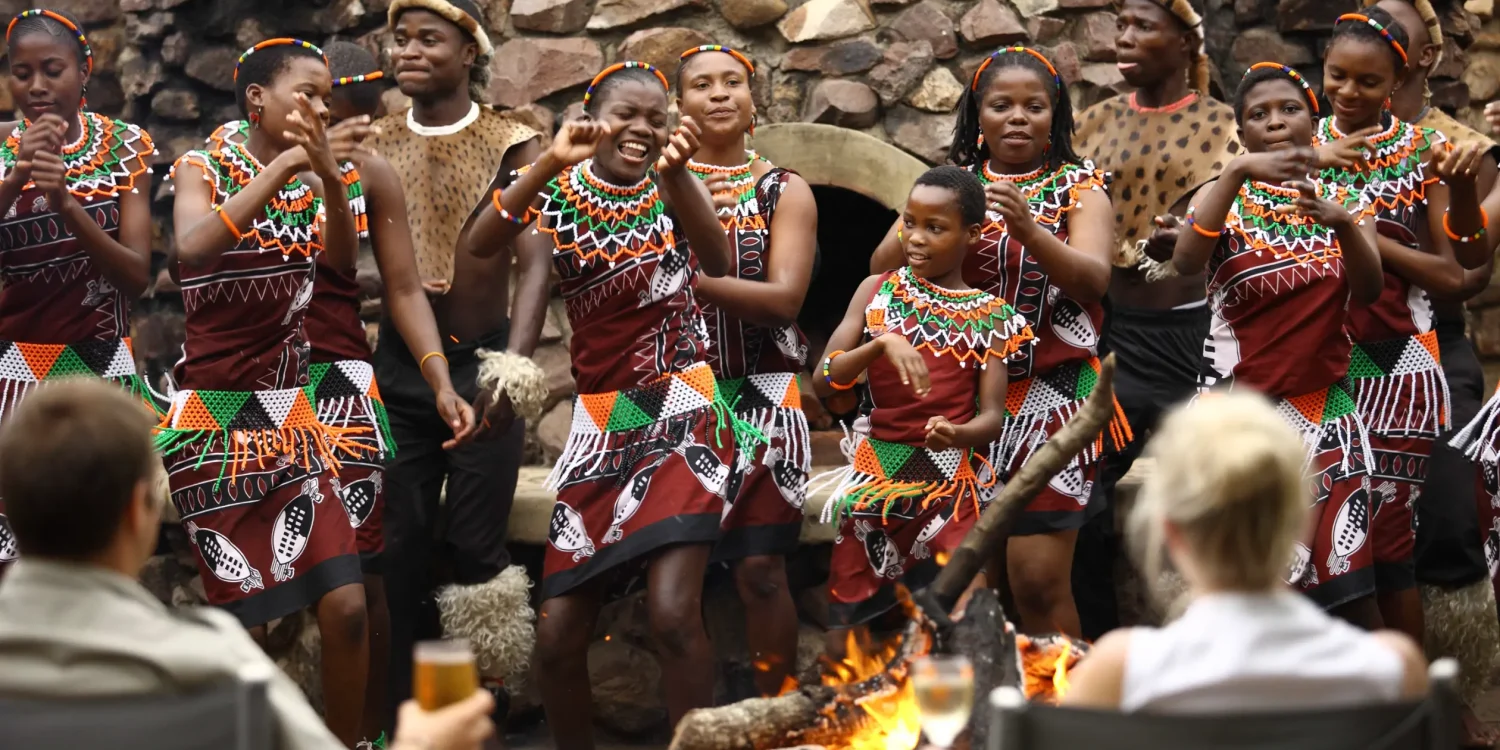
The Zulu are South Africa’s largest ethnic group, celebrated for their vibrant culture, rich history, and strong sense of community. Known for their striking beadwork, warrior traditions, and energetic dances, the Zulu have preserved ancestral customs while embracing modern life. Their ceremonies, music, and storytelling offer a window into a proud and enduring heritage.
The ethics of tribal encounters
At the heart of any meaningful cultural visit lies mutual respect and consent. These encounters should be built on genuine exchange rather than spectacle, with communities free to choose how, when, and whether to share their traditions.
As a luxury travel company dedicated to protecting Africa’s incredible landscapes and communities, we work to ensure that all cultural experiences with Africa’s tribes are not intrusive but instead foster understanding and appreciation.
We approach each cultural encounter with humility and sensitivity, working with community-led initiatives where local voices guide the experience and benefits flow directly back into the community.
What you can expect on an ethical cultural experience in Africa
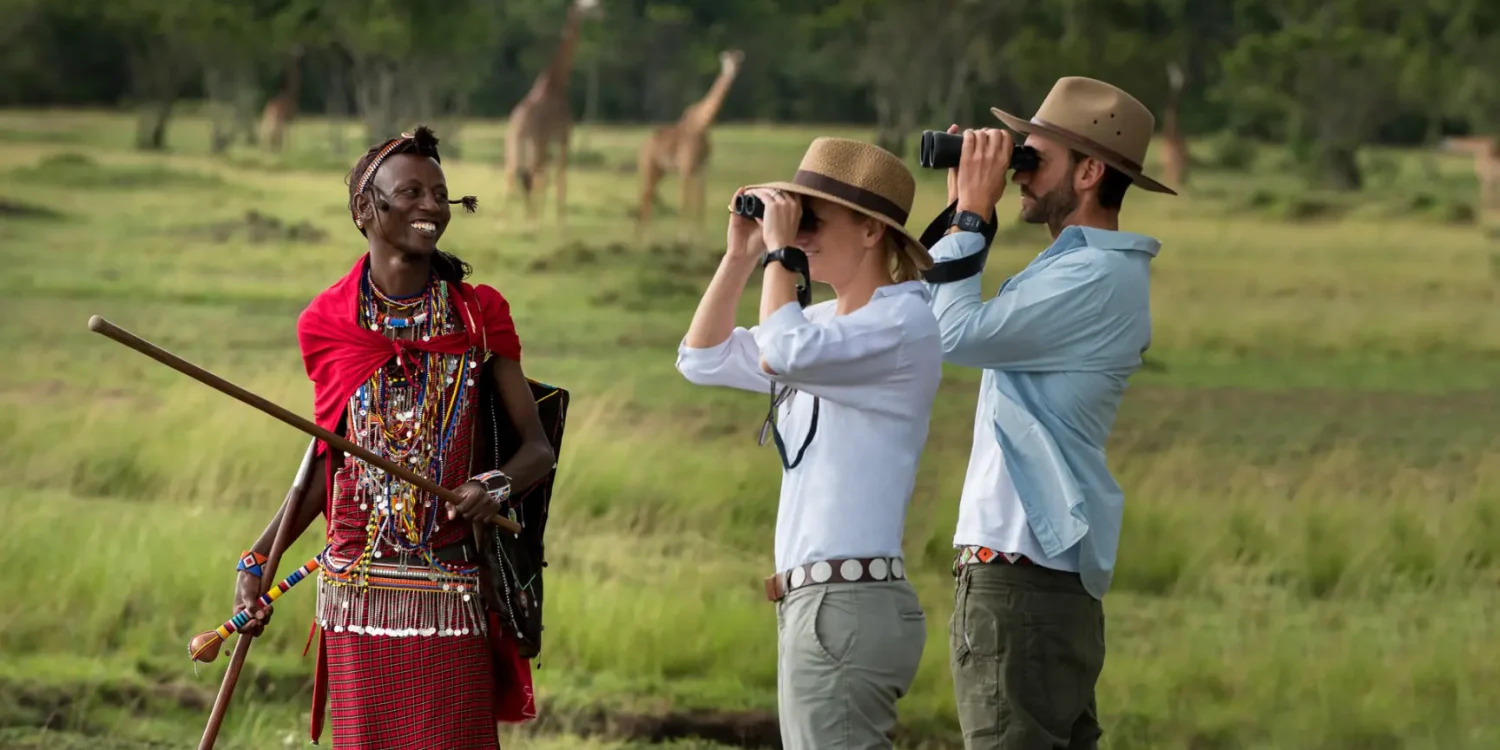
Ethical tribal visits invite you to move beyond observation and into moments of genuine cultural immersion. You may be welcomed to join traditional dances, music, or ceremonies that offer a glimpse into the spiritual and social rhythms of community life. These experiences, when shared on local terms, become powerful windows into living traditions.
Many visits also highlight craftsmanship, where artisans demonstrate skills passed down through generations, from intricate beadwork to handwoven textiles and carved wooden artifacts. Purchasing these items directly supports local livelihoods and allows you to take home meaningful reminders of your journey to Africa.
Perhaps most enriching of all is the chance to engage with the daily life of a community. Whether helping herd cattle, observing age-old farming methods, or learning to prepare a traditional meal, these activities create authentic connections and reveal the resilience and resourcefulness at the heart of tribal life. Each encounter allows you to experience Africa not as an outsider looking in, but as guests invited into the rhythm of everyday living.
How your luxury safari in Africa supports local communities
When approached responsibly, cultural visits can be a vital source of economic empowerment. Tourism provides employment opportunities as guides, artisans, and cultural ambassadors, while also generating income that can be reinvested into community projects such as schools, healthcare, and conservation initiatives. For many remote communities, these partnerships create sustainable pathways to preserve their traditions while improving quality of life.
Through partnerships with local communities, Ker & Downey® Africa supports long-term, sustainable, ethical cultural encounters in Africa. These collaborations are designed to honor cultural integrity, safeguard traditions, and ensure that the positive impact of each visit extends well beyond your experience.
Do’s and don’ts of cultural encounters in Africa
Simple guidelines can help ensure that your visit to African tribal communities is respectful, ethical, and enriching for both you and the tribe that you are visiting.
Dos
- Always ask permission before taking photographs. Seeking consent shows respect and fosters trust.
- Engage with an open mind and a respectful attitude. Approach conversations and activities with curiosity rather than assumptions, allowing communities to share their stories on their own terms.
- Support local artisans. Purchasing handmade crafts directly from the source is one of the most impactful ways to contribute to livelihoods while taking home a meaningful reminder of your journey.
Don’ts
- Avoid giving money directly to individuals. While the intention may be kind, it can create dependency. Instead, contribute to community projects or initiatives that deliver long-term benefits.
- Don’t engage in behaviors that could be seen as exploitative or disrespectful. This includes intrusive questioning, inappropriate dress, or treating traditions as mere performances. Respect is the foundation of every encounter.
By following these simple principles, you can ensure that your visit is memorable and supportive of the communities you meet.
Sample ethical cultural encounters in Africa
Ethical cultural visits create opportunities to connect with the traditions of local tribes in an authentic, immersive, and deeply respectful way. We create bespoke safaris with ethical cultural encounters that offer genuine and immersive experiences.
Visit the Maasai Mara in Kenya and participate in a traditional warrior ceremony, witnessing the chants, dances, and customs that symbolize the tribe’s strength, unity, and cultural pride. When shared on the Maasai’s terms, these transformative experiences reveal the depth of a culture renowned for its resilience and close connection to the land.
In Namibia’s Himba villages, you can learn about traditional beauty rituals, from the symbolic use of ochre to the intricate hairstyles that carry meaning within the community. Far from being merely cosmetic, these rituals express identity, status, and spirituality, offering insight into how tradition weaves its way through every aspect of daily life.
Alternatively, meet the San Bushmen and learn about their unparalleled knowledge of the natural world through a guided bush walk. Learn survival skills, such as tracking wildlife, finding water, and understanding medicinal plants, knowledge that has been passed down over millennia and remains vital in the Kalahari Desert today.
Regardless of the cultural tribal encounter in Africa you wish to participate in, we can help. We work to ensure that every encounter is deeply personal, bespoke, and rooted in purpose, while opening doors to experiences few can imagine.
Enjoy an ethical cultural encounter with Ker & Downey® Africa
At Ker & Downey® Africa, we collaborate with local communities to create ethical, sustainable experiences that celebrate culture while empowering those who share it. Contact us today to begin crafting your own journey of connection and discovery.
Curated Packages
Signature journeys across Africa
Our expert team crafts journeys that transcend luxury. Each itinerary is shaped by the spirit of the land and the wisdom of its people — opening doors to experiences few can imagine, and even fewer will ever access.
April-October
|
10 DAYS
Best of Botswana Safari
All Year Round
|
10 DAYS
Luxury Tanzania Honeymoon LuxVenture®
All Year Round
|
13 DAYS
Elephant Safari in South Africa, Victoria Falls & Botswana
March-December
|
10 DAYS
Luxury Private Safari in Zambia
June – October
|
18 DAYS
Tanzania and Seychelles Luxury Safari
All Year Round
|
12 DAYS
Culinary Journey to Morocco
Year Round
|
18 DAYS
Southern Africa Luxury Bush & Beach Escape
May to October | November to April
|
11 DAYS
Spirit of Zambia Safari
All Year Round
|
13 DAYS
Amboseli, Lewa and Masai Mara Safari
June - Sept
|
15 DAYS
Gorillas & Big Five Safari Adventure
June - Sept
|
11 DAYS
Uganda Done Right
Year Round
|
11 DAYS
Adventure and Exploration in the Seychelles
Year Round
|
15 DAYS
The Ultimate Southern Africa Bush & Beach
All Year Round
|
9 DAYS
Luxury Adventure through Namibia
June-October
|
8 DAYS
Tanzania Northern Circuit Safari
All Year Round
|
14 DAYS
Southern Africa’s Finest: SA, Victoria Falls & Botswana
11 - 20 May 2027
|
10 DAYS
The African Table: A Culinary Safari
June - Sept
|
8 DAYS
Rivers & Rainforests: A Ugandan Safari
June-February
|
13 DAYS
A Cultural Safari Tanzania Zanzibar
All Year Round
|
9 DAYS
Luxury Safari in Kruger National Park & Cape Town
All Year Round
|
10 DAYS
Africa Safari: Uganda & Zambia’s Great Waterways
15 June - 15 November
|
7 DAYS
Luxury Tented Safari in Tanzania
All year round
|
9 DAYS
Beaches of Seychelles Vacation
Feb – May, Sep – Dec
|
10 DAYS
Luxury Journey Through Morocco
All Year Round
|
10 DAYS
The Active Africa Circuit – A Luxury Sport Safari
All Year Round
|
16 DAYS
Ultimate East Africa Safari
All Year Round
|
12 DAYS
Tanzania and Zanzibar Safari
All Year Round
|
7 DAYS
Luxury Gorilla Trekking Safari in Rwanda
All Year Round
|
6 DAYS
Luxury Morocco Vacation
All Year Round
|
10 DAYS
Cairo + Luxury Nile Cruise
All Year Round
|
14 DAYS
Luxury South Africa and Mozambique Honeymoon
All Year Round
|
11 DAYS
Wild Hearts, Island Dreams: Luxury Safari Tanzania and Zanzibar
Jan, Feb, Jun – Sept
|
13 DAYS
Gorilla Trekking, Ngorongoro Crater & Serengeti
June-August
|
12 DAYS
Rovos Rail and Zambezi River Escape
All Year Round
|
7 DAYS
Chobe River Cruise & Okavango Delta Safari
March to June
|
10 DAYS
Zimbabwe Victoria Falls & Safari LuxVenture®
May - October
|
12 DAYS
The Shape of Namibia – Luxury Namibia Safari
All Year Round
|
11 DAYS
Cape Town Safari & Whale Coast Adventure
All Year Round
|
8 DAYS
Best of Egypt LuxVenture®
All Year Round
|
11 DAYS
Luxury Egypt Experience
All Year Round
|
8 DAYS
Luxury Kenya Safari
All Year Round
|
8 DAYS
Luxury Namibia Safari
All Year Round
|
10 DAYS
The Luxury of Time – Botswana Unhurried
All Year Round
|
9 DAYS
Botswana Okavango Honeymoon LuxVenture®
All Year Round
|
17 DAYS
Southern Africa: Framed and Untamed
May-October
|
8 DAYS
Luxury Treehouse Safari to Botswana LuxVenture®
Year Round
|
10 DAYS
Natural East Africa Wonders Safari
June-October
|
9 DAYS
Sub Saharan Kenya Safari Experience
May to October
|
8 DAYS
Mad Max Safari Adventure
All Year Round
|
13 DAYS
Elements of Southern Africa: A Curated Safari
All Year Round
|
12 DAYS
Tanzania & Zanzibar Honeymoon Safari
Year Round
|
8 DAYS
African Wild Dog Safari in Zimbabwe
Year Round
|
11 DAYS
Luxury Seychelles Honeymoon and Couples Vacation
June-October
|
7 DAYS
African Wild Dog Safari
All Year Round
|
9 DAYS
‘Out of Africa’ Safari in Kenya
All Year Round
|
11 DAYS
Luxury Safari in Zambia
Jan, Feb, Jun – Sept
|
5 DAYS
Mountain Gorilla Trekking in Rwanda
All Year Round
|
17 DAYS
Luxury Mauritius & South Africa Experience
July-September
|
6 DAYS
Horseback Safari in Kenya
All year round
|
9 DAYS
9-day Victoria Falls to Botswana Luxury Safari
Dec – Mar
|
7 DAYS
Wildebeest Calving Season Safari
All Year Round
|
12 DAYS
South Africa Art, Wine & Wilderness Safari
All year round
|
12 DAYS
Luxury Family Safari: South Africa & Victoria Falls
All Year Round
|
10 DAYS
Tanzania & Zanzibar Family Holiday
May - October
|
10 DAYS
South Luangwa Walking Safari
All Year Round
|
Day Trip to Antarctica LuxVenture®
June-October
|
10 DAYS
Electric Vehicle Safari in Kenya
All Year Round
|
10 DAYS
Botswana & Victoria Falls Adventure
All Year Round
|